



The Mountains that made the Region Famous
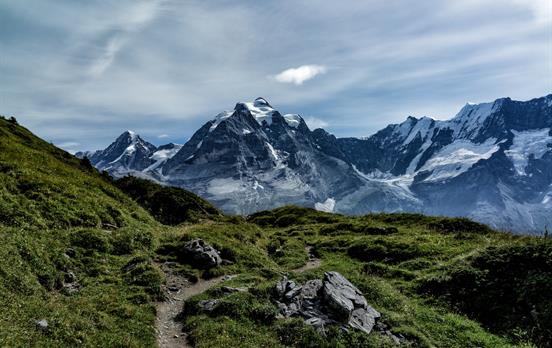
For more than 200 years, travelers have been drawn to the Bernese Oberland in search of the Alps. But among its many peaks, three have become inseparable from the identity of the region: Eiger, Mönch and Jungfrau.

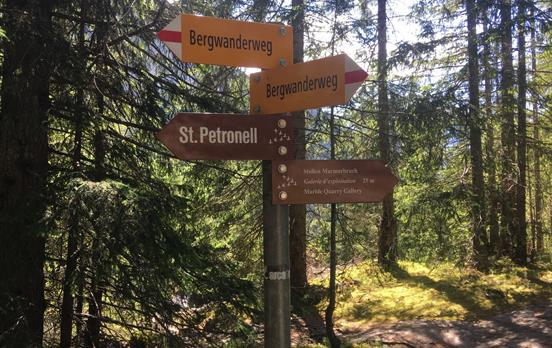
Their names appear everywhere. On train stations and trail signs. From village streets and mountain viewpoints. On postcards, maps and restaurant menus.
But these aren't simply three beautiful mountains. Each has its own story, and together they tell the story of the Bernese Oberland itself: of mountaineering ambition, early tourism, engineering feats and a landscape that has captivated visitors for generations.

Eiger: the mountain that earned its reputation
At 13,015 feet, the Eiger isn't the highest of the three, but it may be the most famous.
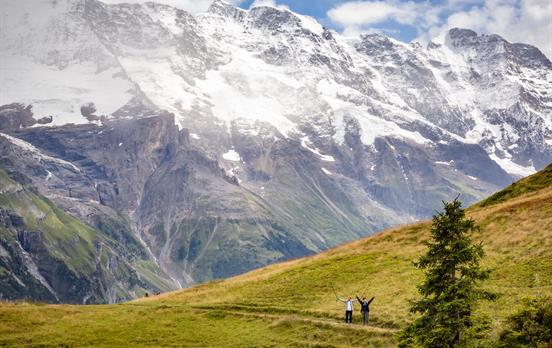
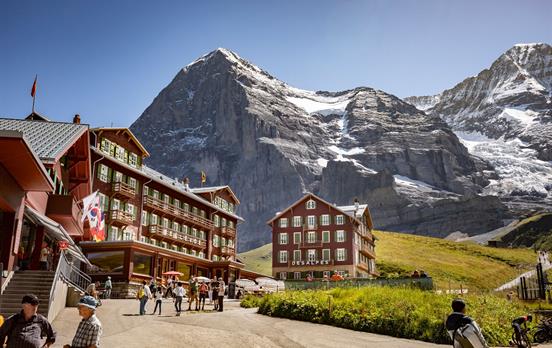
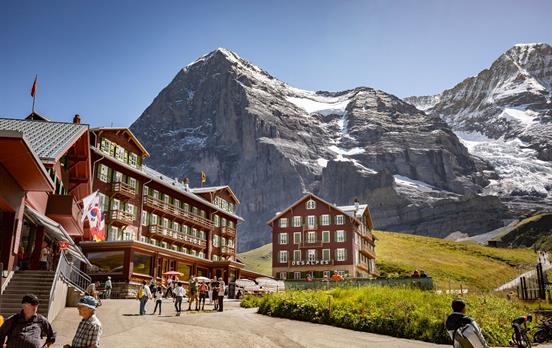
Its enormous north face rises almost vertically above the landscape, earning a reputation as one of the great challenges of the Alps. Long before modern climbing equipment, mountaineers looked up at the wall and wondered whether it could be climbed at all.

The first successful ascent of the Eiger's north face didn't come until 1938, after numerous attempts and several tragedies. The story of those early climbers has become part of the mountain's mythology, adding a sense of drama to an otherwise already extraordinary landscape.
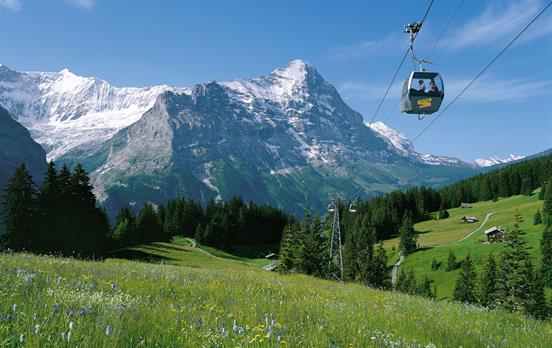
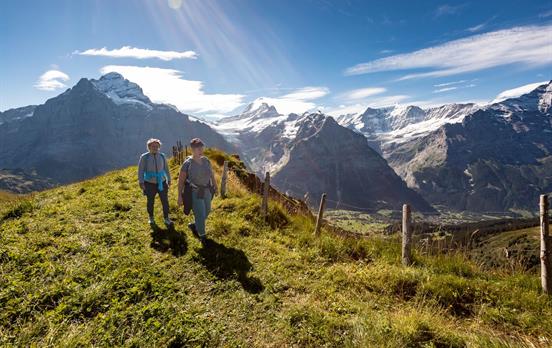
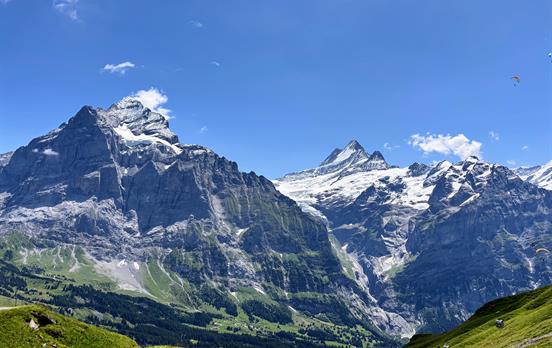
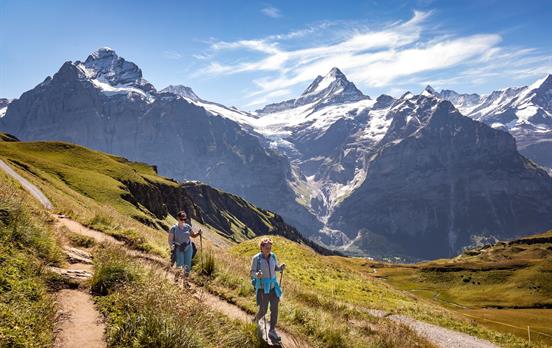
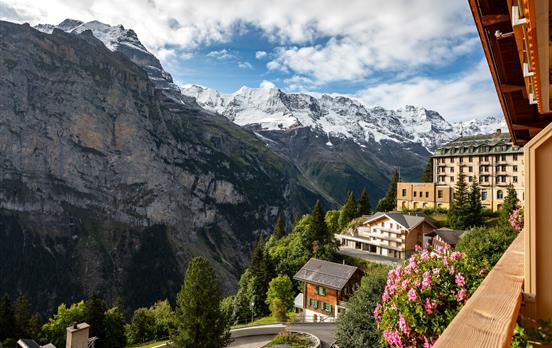
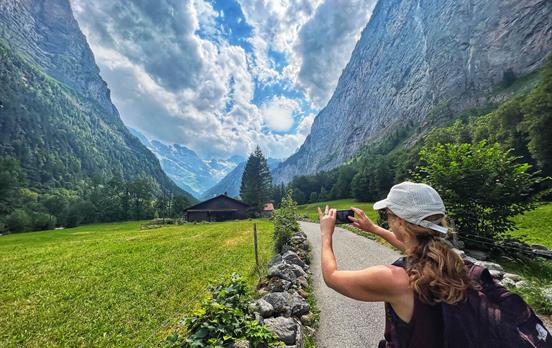
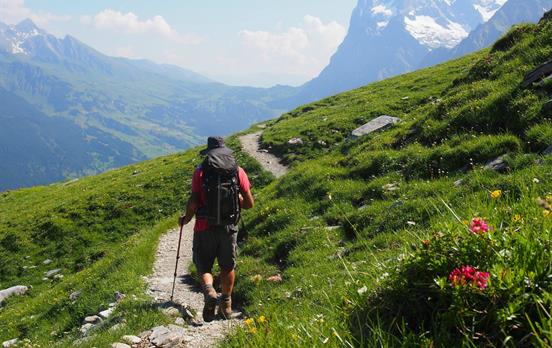
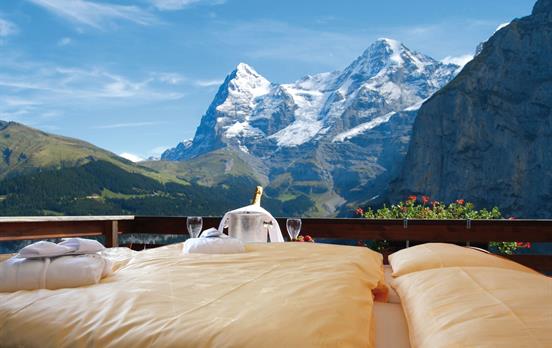
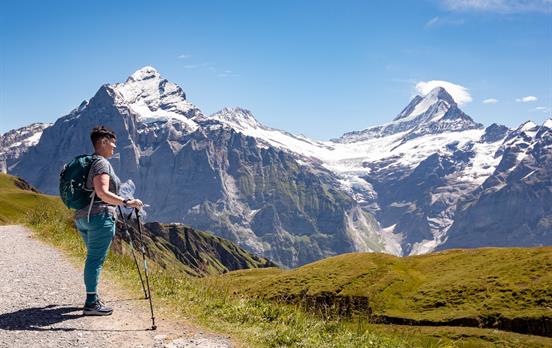
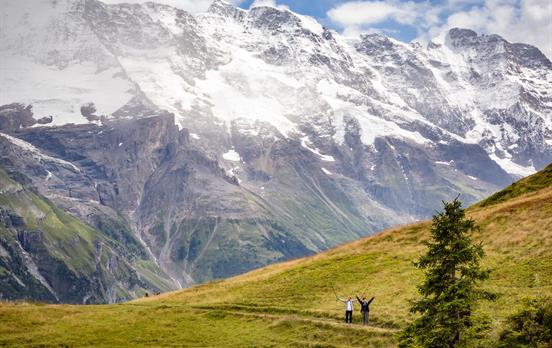
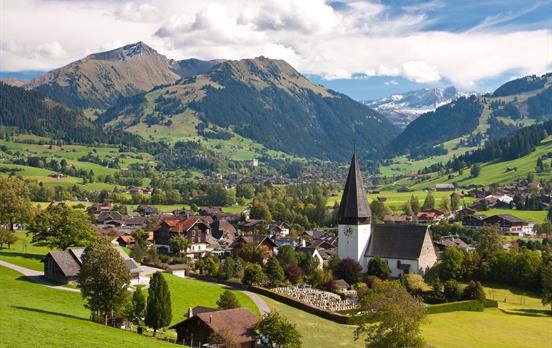
Today, you don't need to climb the Eiger to appreciate it. Trails around Grindelwald bring you remarkably close to its enormous walls, while viewpoints across the valley on the Via Alpina offer a completely different perspective. There are even hotels named after the mountain, featured on our In Style itineraries.

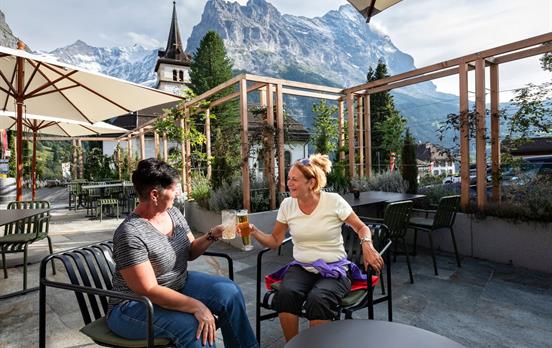
And perhaps that's one of the best things about the Bernese Oberland: mountains that once represented almost impossible challenges can now be experienced from a walking trail, a mountain railway or a village terrace.
Mönch: the mountain between them
Standing at 13,474 feet, the Mönch sits between the Eiger and Jungfrau.

Its name means “monk”, and local legend offers a charming explanation. According to the story, the Mönch represents a monk protecting the Jungfrau, or “maiden,” from the Eiger, whose name is sometimes associated with an ogre.
The Mönch was first climbed in 1857, and today its distinctive snowy summit forms one of the defining views of the region.
Jungfrau: the maiden of the Alps
At 13,642 feet, the Jungfrau is the highest of the three.
Its name translates to “maiden” or “virgin,” and its elegant, snow-covered summit has long been one of the defining sights of the Bernese Oberland.

But the Jungfrau's story isn't only about mountaineering. It's also about one of the most remarkable engineering projects in the Alps.
Jungfraujoch: the railway to the top of Europe
At 11,332 feet, the Jungfraujoch, a high mountain saddle, sits between the Mönch and Jungfrau and is home to Europe's highest railway station.

Construction of the Jungfrau Railway began in 1896, with tunnels driven directly through the mountains. The railway finally reached the Jungfraujoch in 1912, after years of extraordinary engineering work.
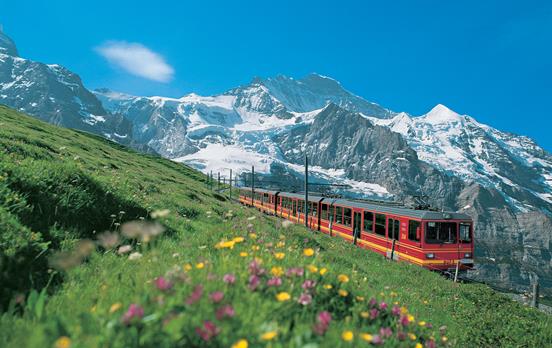
The journey remains one of the region's great experiences. From the valley, the train climbs steadily into the mountains before disappearing inside the Eiger. Eventually, you emerge at the Jungfraujoch, surrounded by the high Alps and the vast Aletsch Glacier. You can experience the Jungfraujoch on the Via Alpina West or the Best of the Bernese Oberland.

A landscape shaped by mountains
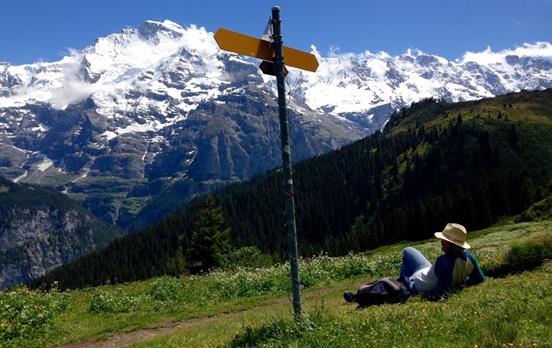
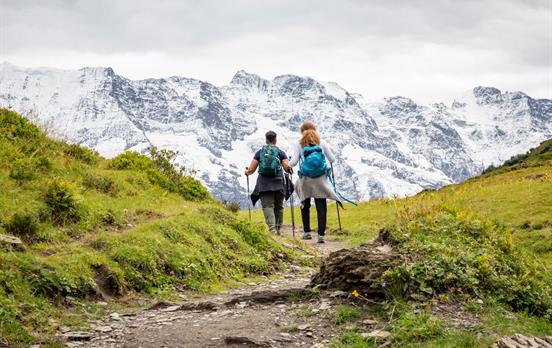
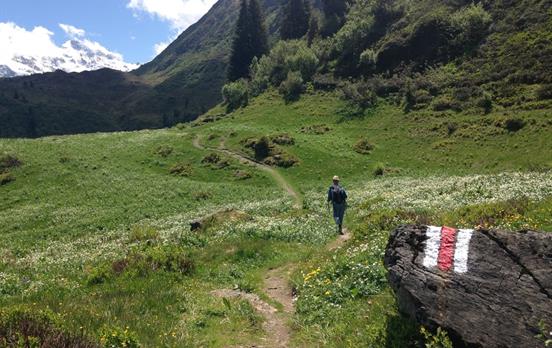
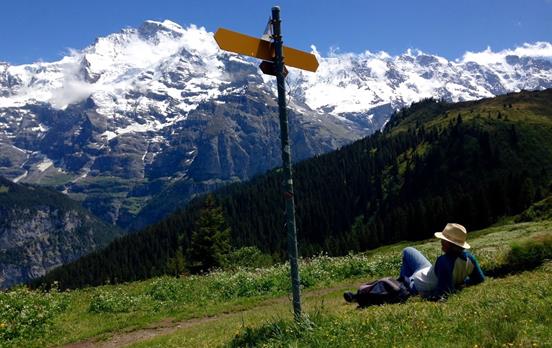
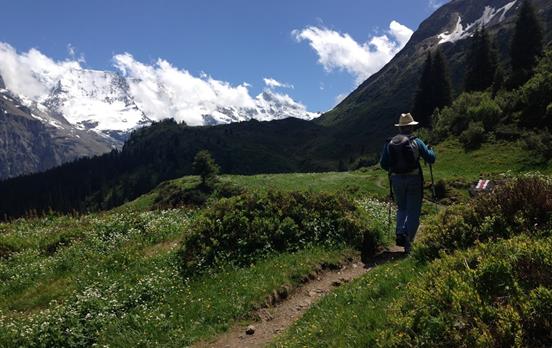
Hike beneath the north face of the Eiger. Look across the valley towards the Mönch and Jungfrau. Take the railway towards the Jungfraujoch. Follow a trail through alpine meadows where the same mountains have been towering above travelers for centuries.
The peaks may be ancient. The ways of experiencing them keep changing.
And that's the magic of the Bernese Oberland: you don't just visit the Alps here. You step into their story.















 Canada