



More than Mojo: Canarian Eats to Look Out For When Hiking in La Gomera

Recently, Nash - one of our Senior Destination & Adventure Specialists - experienced our Walking in La Gomera trip first-hand. While the Canary Islands’ dramatic landscapes impressed her, it was the food that truly stood out. This article shares Nash’s experience of La Gomera through its traditional dishes, local ingredients and rich culinary heritage.

When you think of Canary Islands cuisine, you might picture plastic chairs and folding tables on promenades or piazzas, with a friendly waiter eager to seat you. The first thing we ‘tourists’ tend to notice on most menus is Canarian potatoes - real name papas arrugadas -, and they're still arguably the best way to eat a potato. In most sun-soaked hotspots, further down the menu, you can also order a typical hamburger and chips. Not a huge step away from what we’re used to in North America, but always with a little Spanish twist (mojo sauce!!).
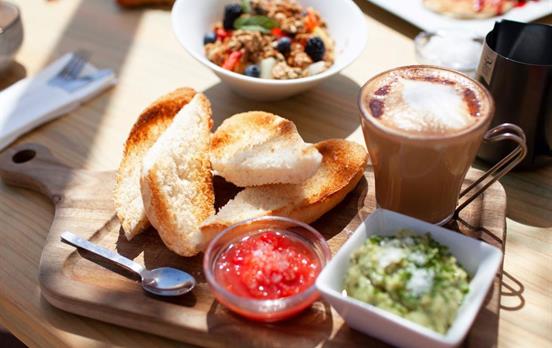
Mojo, for those who haven’t fallen headfirst into the obsession yet, is the famous Canarian sauce served with everything from potatoes to fish. There are two main varieties: mojo rojo (red) and mojo verde (green), usually made with garlic, oil, vinegar, and local peppers or herbs. On La Gomera, mojo is more than a tourist add-on - it’s a staple of everyday life, and you’ll often find that each restaurant has its own version. Some are fiery enough to clear your sinuses for the rest of the week, while others are so mild and herby you’ll want to drink them straight.
Just a 55-minute ferry ride from the popular beach vacation destination of Tenerife lies a sleepy little island where you’ll be hard-pressed to find eggs and bacon for breakfast. There’s ‘Canarian food’, but there’s also Canarian Food - the kind that’s cooked for hardworking locals and never intended to land on the fork of a tourist. Simply put, tourist resorts don’t serve these delicious dishes.

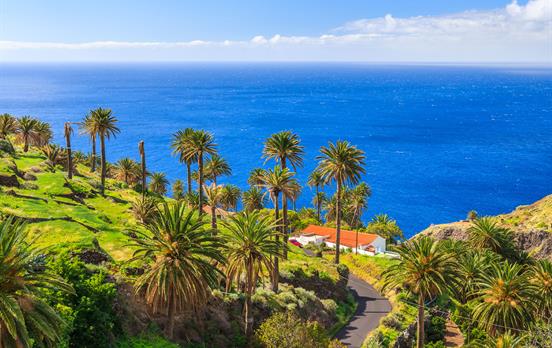
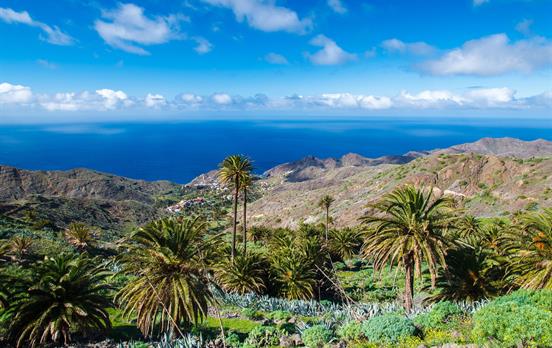
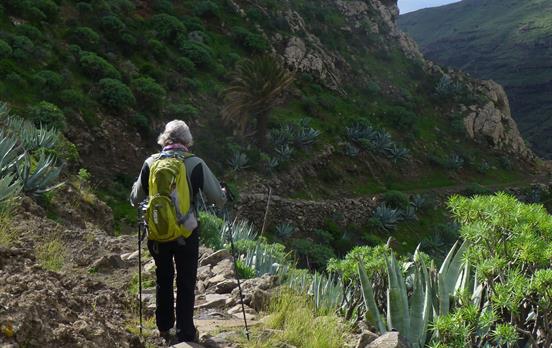
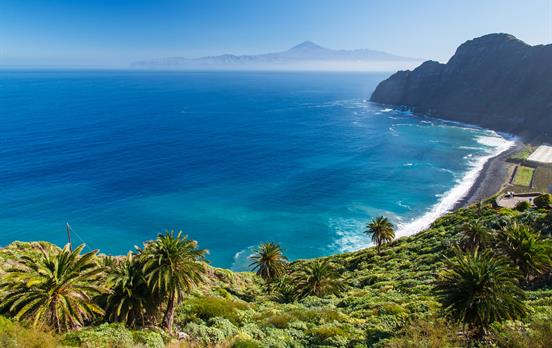
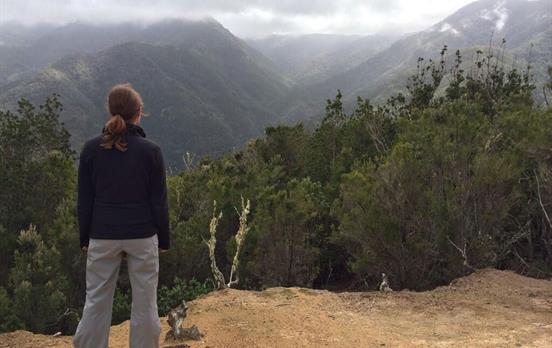
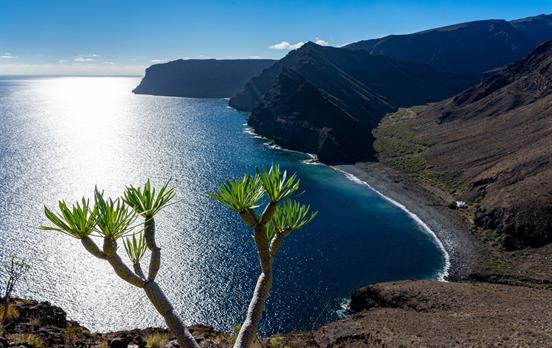
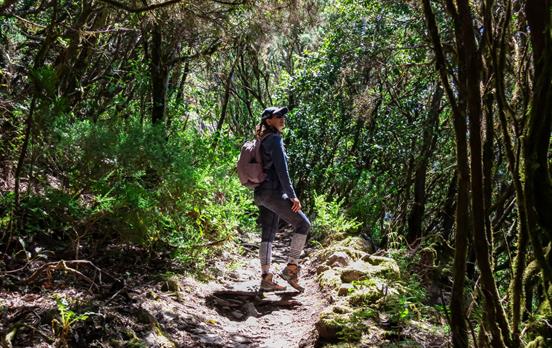
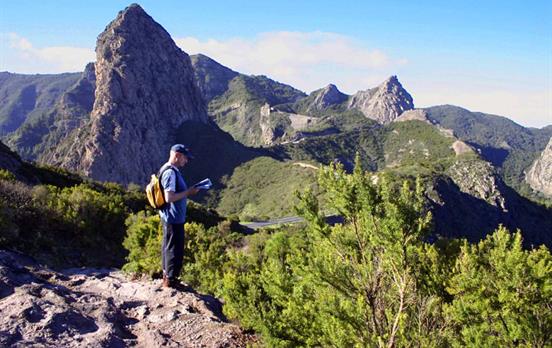
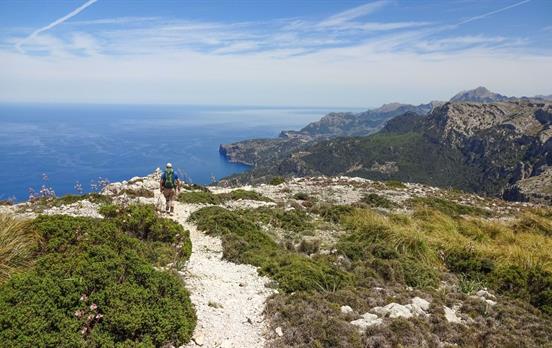
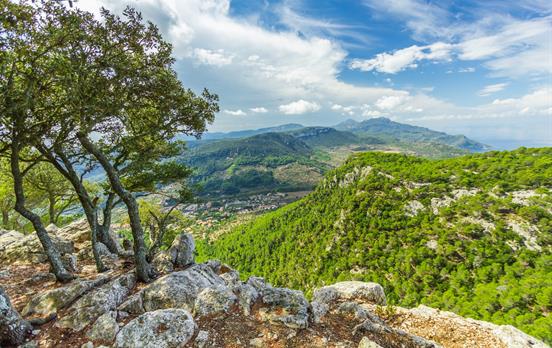
La Gomera feels like it exists in its own world. The island is known for being rugged and green, carved by steep ravines and deep valleys. It’s also home to Garajonay National Park, a UNESCO-protected laurel forest that looks like something from a fairytale - misty, ancient, and wildly atmospheric. When you hike here, you’re not just hiking through pretty scenery; you’re moving through landscapes that have shaped the island’s culture for centuries.
The island’s remoteness is part of its charm. There’s no airport on La Gomera, and it has avoided mass tourism in a way that many other Canary Islands haven’t. That means life still revolves around small towns, farming, fishing, and tradition - and that same authenticity shows up on your plate.
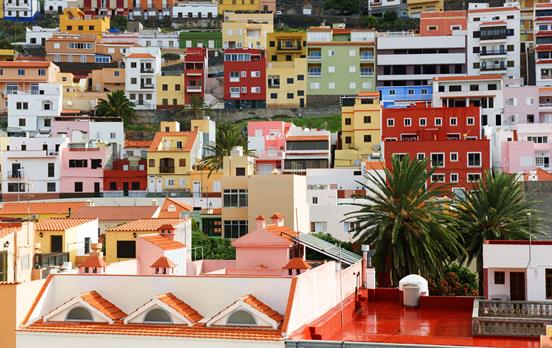
If you’re not on the adventurous side of foodie life, La Gomera might not be the place for you, or you can just order from the bottom half of the menu, where more Western food resides. However, the combination of stunning walks and colorful villages can only be topped off with unique and memorable culinary experiences. It’s important to note that the island is the definition of UNSPOILT - there’s no airport, no cruise port, and no real freeways. Tenerife is the gateway to this island, and as a result, most of the goods that make their way onto your plate are seasonal and as local as ever. This is reliable grub that hasn’t sat in a deep freeze or spent days on a truck before reaching you. Think fresh fish straight from the sea, fruit and veg as bright as the rainbow, and beautiful cuts of meat from local farmers.

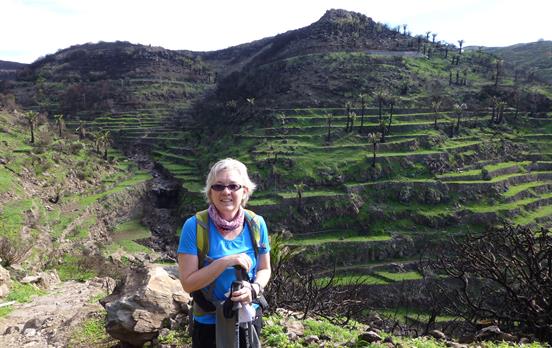
La Gomera also has a long history of self-sufficiency. Farming here isn’t easy - terraced fields cling to steep hillsides, and the terrain doesn’t give people much choice but to work with what they have. This is one of the reasons goat meat, local cheeses, and hardy crops like grains have become so central to traditional cooking. When food is shaped by landscape, it becomes practical, hearty, and delicious in a way you simply can’t fake.
Many ingredients are also tied to traditions dating back to the island’s earliest inhabitants, the Guanches. Before the Spanish conquest, the Guanches relied heavily on roasted grains, goat farming, and preserved foods - the roots of dishes that still exist today. When you eat gofio (a traditional flour), for example, you’re tasting something that has been part of daily life here for hundreds (possibly thousands) of years.
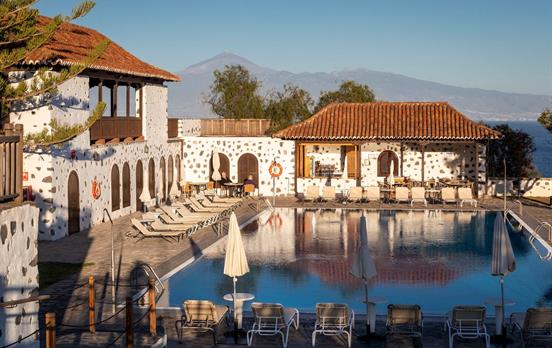
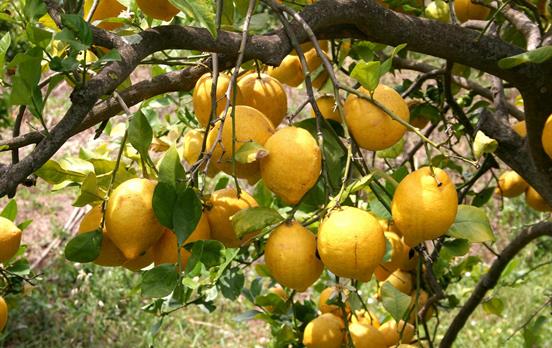
While hiking, you’ll pass fruit groves of pineapple, mango, banana, guava, and papaya. Lunch stops are few and far between, but do order a fresh lemonade or smoothie when you get the chance. The Parador de La Gomera, on either side of this trip, has an amazing breakfast bar with a great selection of fruit. Look out for the melons, especially - perfectly sweet and packing more punch than a honeydew.

It’s not just fruit that stands out - you’ll also notice how much of the island is terraced for farming. These terraces are a major part of La Gomera’s identity and one of the reasons local produce tastes so intense. The climate varies massively depending on where you are: misty and cool in the forested interior, sun-baked and warm down near the coast. This gives the island an almost “microclimate buffet” of growing conditions, which is why the variety of fruit and veggies is so impressive for such a small place.
And if you spot locals carrying bundles of herbs or produce down the hillside, that’s not a quaint tourist moment - that’s just normal life here. La Gomera is a place where people still live close to the land, and you can taste it.
Here are some other culinary delights to keep an eye out for while circling this sensational little island:
Goat’s Cheese
Whether deep-fried, grilled, or served alongside the famous mojo sauce, this is one of the freshest and mildest cheeses you’ll ever try. Made from raw goat’s milk - and sometimes blended with sheep’s milk - this cheese is one of the many prides of the island. There are plenty of Canarian cheeses worth writing home about, but it’s the freshness of this one that makes it the perfect companion to most dishes.
It embodies the island's rustic nature and shows just how much local farmers have achieved with what they have. Not to be missed for cheese lovers!
Cheese-making on La Gomera is also closely tied to traditional farming life. Goats are incredibly well-suited to the rocky landscape, and small-scale herding has been part of daily survival for generations. In some villages, you’ll still find local cheeses smoked, aged, or served with palm honey (miel de palma), another iconic Gomeran ingredient.
If you see queso asado (grilled cheese) on a menu, go for it. It’s often served warm, slightly charred, and paired with mojo or a sweet drizzle. That sweet-savory combination is peak Canary Islands.

Goat Meat (Carne de Cabra)
The island’s challenging terrain means there isn’t a huge variety of farmed animals for consumption, so you can expect to see far more dishes featuring goat meat than chicken. Goat and rabbit here often replace beef and poultry. The people of the island have been farming goats since ancient times - and they’ve only gone and perfected it.
Goat meat is low in fat and high in protein, making it ideal fuel for the demanding hikes this island has to offer. Stewed slowly in rich sauces, it becomes melt-in-your-mouth tender. The flavors are so comforting and savory, it’s the ultimate comfort food you never knew you needed.
Carne de cabra is one of those dishes that tells you everything about a place. It’s not trendy or flashy - it’s traditional, practical, and deeply tied to the reality of life on steep volcanic slopes. Most versions are slow-cooked, often with garlic, onions, wine, and spices. If you’re hiking through villages and see older locals gathered in small bars with steaming plates of stew, you’ve found the heart of La Gomera. This is the island’s comfort food - and it’s exactly what your legs will want after a long descent or climb.

Octopus Salad
Don’t let the tentacles scare you away! The Mediterranean world has enjoyed octopus as a staple food for centuries. We tend to shy away from octopus dishes in the Western world, but when cooked well, these little beauties are the bacon of the sea.
There’s so much to be said about the outstanding flavors seafood can offer when it practically goes from sea to plate. No need for fancy marinades here - Gomerans keep it simple, using local olive oil, sea salt, lemon, and parsley. So simple, but unbelievably flavorful.
Fishing has always been a vital part of island life, and many coastal villages still revolve around the day’s catch. You’ll often see seafood dishes prepared with minimal fuss, because when the ingredient is that fresh, it doesn’t need help.
Octopus is also a popular tapas-style dish across the Canaries, sometimes served “a la gallega” style with paprika and potatoes. On La Gomera, though, it’s often lighter, more citrusy, and perfect after a long hike when you want something fresh but filling.

Peruvian Food
Honorable mention to Hermigua’s Mi Causa restaurant. A pleasant surprise in the middle of this small town’s main strip, Mi Causa is a tiny hole-in-the-wall that currently only has a handful of reviews on Tripadvisor. It’s unpretentious, undiscovered, and a true hidden gem.
This is also one of the only stops en route where you can find a hamburger. But do consider the ceviche and/or the empanadas instead!
While it might seem random to find Peruvian food on a tiny island like La Gomera, it actually fits with the Canary Islands' history. The Canaries have long been a stopping point between Europe, Africa, and the Americas. Over the centuries, many people emigrated between the Canary Islands and Latin America, and that cultural exchange has shaped the islands in surprising ways, from flavors and ingredients to traditions and family ties.
So yes, Peruvian ceviche in Hermigua is unexpected… but also kind of perfect.

Gofio
The pride of the Canaries! Gofio is a traditional ingredient - especially on La Gomera - similar to flour, made from roasted and ground cereal grains. It has a sweet, nutty taste and can be made into bread, used as batter, stirred into soups, blended into dips… You name it.
However, it truly shines when it becomes the star of La Gomera’s desserts. Perhaps the best part of a hiking vacation is being able to justify a second portion of dessert. The island offers many unique sweet treats, and when topped with gofio, there is absolutely nothing quite like it.
If you enjoy nutty, creamy desserts, reach for gofio mousse with biscuit. It’s the perfect way to finish off the grilled meat and fresh vegetables offered in just about every restaurant on the island.

Gofio is more than an ingredient - it’s a symbol of Canarian identity. Historically, it was a staple food because it was easy to store and packed with energy. That made it perfect for island life, especially for shepherds, farmers, and anyone spending long days out in the hills. Even today, many locals will tell you gofio is the taste of home.
You might also come across it served in savory forms, such as escaldón, a thick, hearty dish made by mixing gofio with broth. It’s warming, filling, and extremely traditional - the kind of thing you eat when the weather turns misty in the higher valleys.
And if you spot miel de palma (palm honey) anywhere, absolutely try it. This syrup is made from palm sap and is a signature product of La Gomera. Drizzled over gofio desserts or cheese, it’s sweet, earthy, and completely unique to the island.

La Gomera - A Cultural Journey
The variation of towns and local eateries on Macs’ Walking in La Gomera itinerary offers an undeniably well-rounded foodie experience. You have plenty of opportunity to try and enjoy a new dish each night of your walk if you like, and the locals are all too proud to share with you the ‘fruits’ of their labor.
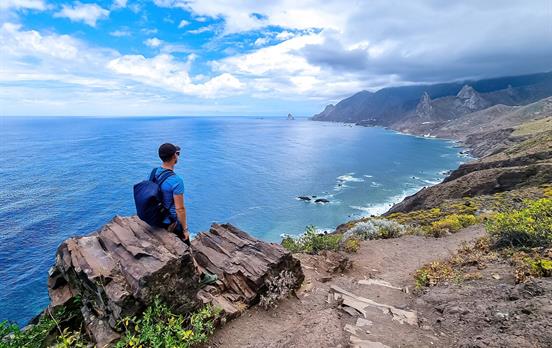
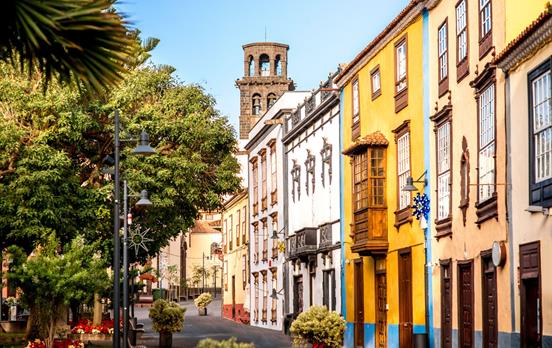
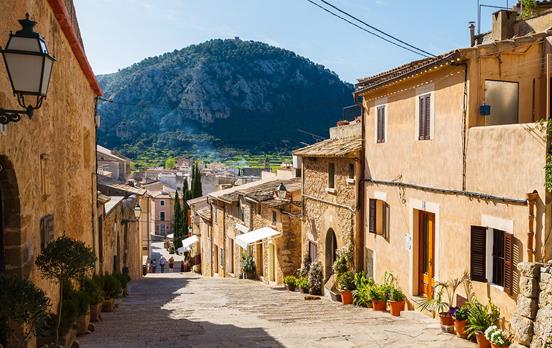
And it’s not just the food that’s unforgettable - it’s the setting. Walking on La Gomera means hiking between peaceful villages like Hermigua and Agulo, through dramatic ravines and forest trails, with the Atlantic always shimmering in the distance. The island is also famous for Silbo Gomero, the whistling language once used to communicate across deep valleys - a tradition so unique it is now protected and taught in schools.
This combination of wild landscapes, strong traditions, and deeply local food makes La Gomera feel like a secret Canary Island - a place that hasn’t been polished for tourists, but still warmly welcomes them. And when you sit down at the end of a long day of hiking to a plate of goat stew, grilled cheese, fresh fish, or gofio dessert, you’ll realize you’re not just eating well - you’re tasting the island itself.
An unspoilt, traditional island packed full of zesty dining awaits. Go! Go! Go! to La Gomera!



























 Canada