



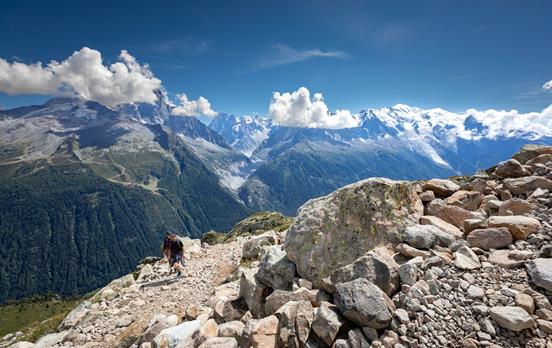
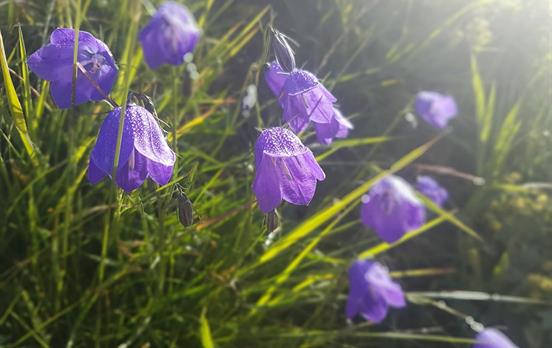
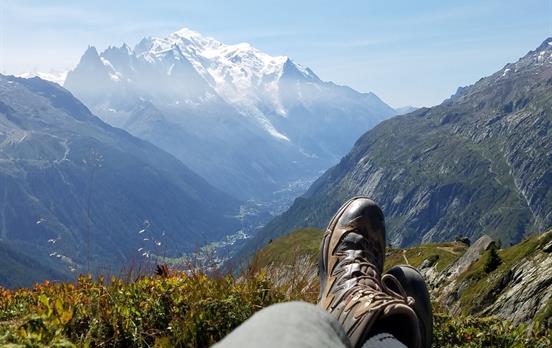
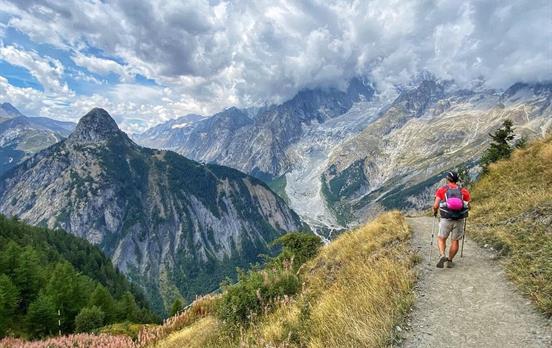
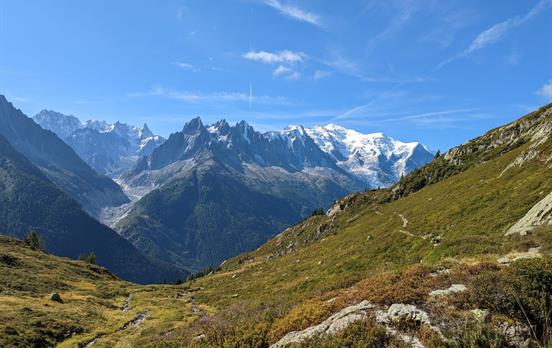
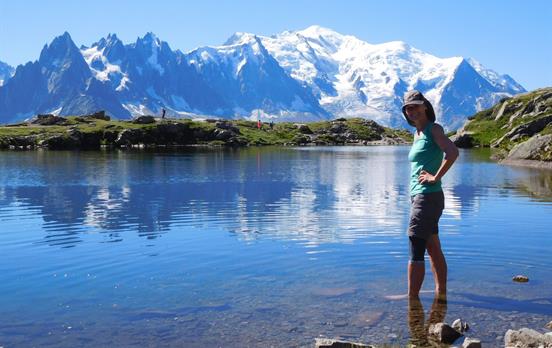
The Tour du Mont Blanc (TMB) is one of Europe’s most iconic long-distance hikes. Circling the Mont Blanc massif through France, Italy and Switzerland, this 170km (105-mile) route combines glacier views, dramatic alpine passes, flower-filled meadows and welcoming mountain villages.
At Macs Adventure, we offer a range of self-guided Tour du Mont Blanc hiking vacations - from completing the full circuit in one trip to shorter versions and extended itineraries, with hand-picked accommodations and luggage transfers included.
Here are our expert tips to help you prepare and make the most of your TMB adventure.
1. Choose the Right TMB Itinerary for You
One of the biggest decisions is whether to hike:
- The Complete Tour du Mont Blanc
- A Highlights itinerary
- Or tackle the extended TMB route
The full circuit is achievable for fit and regular hill hikers, but it’s physically demanding with significant daily ascent and descent.
If you’d prefer:
- Shorter walking days
- A gentler pace
- Or to spread the challenge over time
Then walking the Classic Walks of Mont Blanc itinerary or the short-break itineraries is a fantastic option if you want a taste without committing to the full loop - options many of our customers choose.
Our itineraries are graded and clearly outline daily distances and elevation gain, helping you select the trip that best matches your fitness and experience.
Explore our Tour du Mont Blanc itineraries >

2. Understand the Physical Challenge
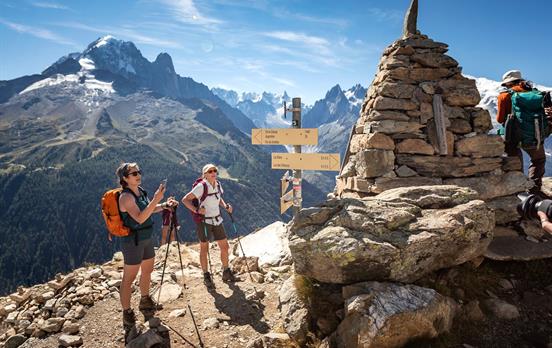
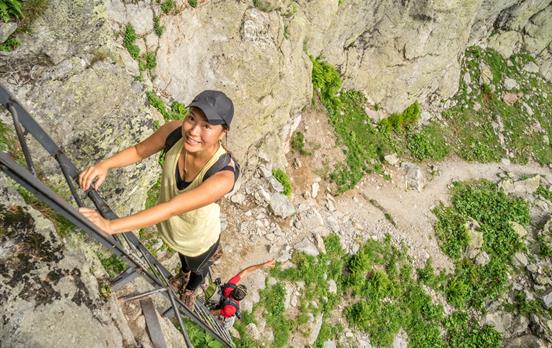
The TMB is not technical mountaineering, but it is a serious alpine trek.
Expect:
- 10–20km (6–12 miles) per day
- 800–1,200m (2,600–3,900ft) of ascent on mountain pass days
- Sustained climbs followed by long descents
The biggest challenge is often the cumulative effect of multiple days in a row.
To prepare:
- Train on hills rather than flat terrain
- Practise back-to-back walking days
- Strengthen legs and knees for downhill sections
- Practise using the equipment you would use on the trail (hiking boots and trekking poles)
If you’re unsure, our Destination Specialists can advise on which TMB itinerary is best suited to your level.

3. Travel Light with Luggage Transfers
One of the major advantages of hiking the Tour du Mont Blanc with Macs Adventure is daily luggage transfers (where accommodation access allows).
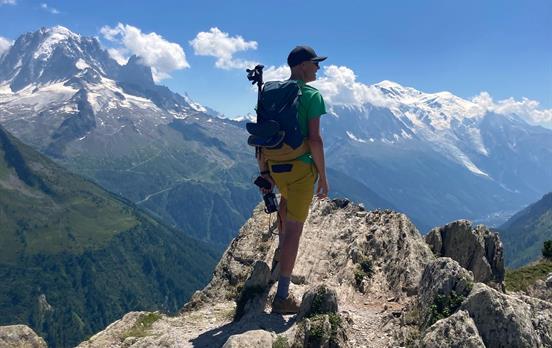
Instead of carrying a heavy pack for the entire 170km, you’ll hike with just a daypack - containing water, snacks, layers and essentials - while your main bag is transferred to your next hotel or mountain hut.
This makes steep climbs more manageable and significantly enhances comfort over consecutive days.
There are some nights spent in remote mountain refuges where luggage transfers aren’t possible, and depending on your itinerary, there are a couple of days where you’ll have to hike with your overnight things. But we’ll always let you know in advance.

4. Be Prepared for Alpine Weather
The Tour du Mont Blanc hiking season runs from July to September.
Even in mid-summer, mountain weather can change rapidly. Sunshine in the valley can mean wind and cold on a high pass.
Essential kit includes:
- Waterproof jacket and pants
- Warm mid-layer
- Woolly hat, buff and gloves
- Sun protection (UV is stronger at altitude)
- Trekking poles (highly recommended for descents)
- Well broken-in hiking boots
Layering is key. You may experience four seasons in one day.
Check out our TMB packing list >

5. Book Early - The TMB Is Popular
The Tour du Mont Blanc is one of Europe’s most in-demand long-distance trails.
Accommodations along the route - especially traditional mountain refuges and small alpine hotels - fill up quickly for July and August.
Booking early ensures:
- Access to the best-located accommodation
- Smoother daily stage planning
- Availability on preferred dates
When traveling with Macs Adventure, we handle all accommodation bookings, route notes and logistics - so you can focus on the hiking.

6. Experience a Mix of Accommodation Styles
One of the highlights of our TMB tours is the variety of accommodations.
Depending on your chosen itinerary, you may stay in:
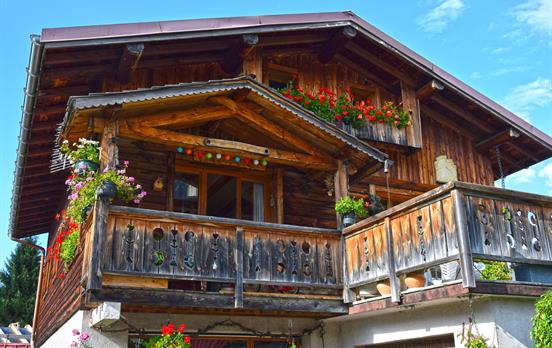
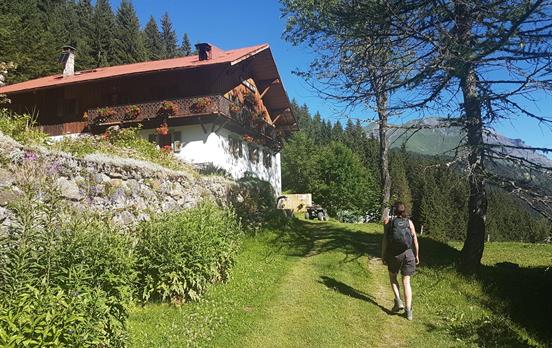
- Family-run alpine hotels
- Charming guesthouses
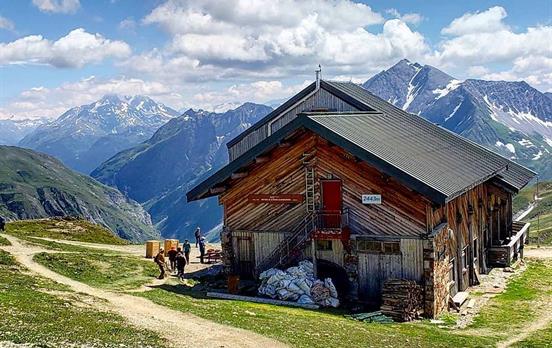
- Traditional mountain refuges
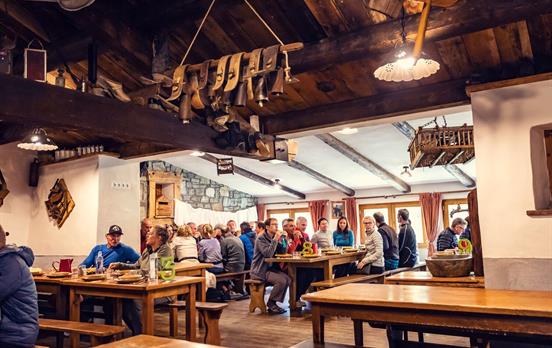
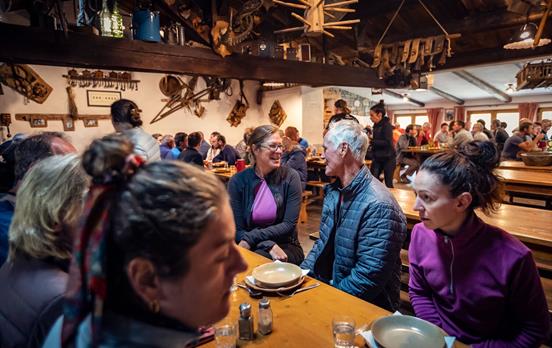
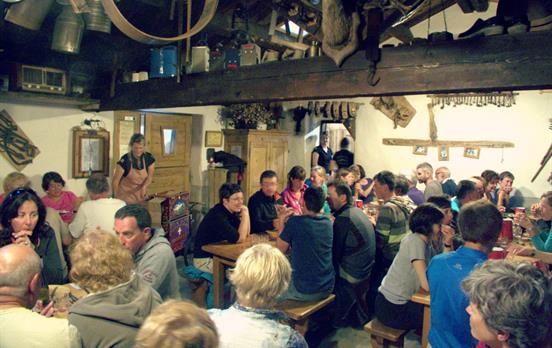
Refuge stays are part of the authentic TMB experience. Expect:
- Dormitory-style rooms
- Hearty communal dinners
- Early breakfasts
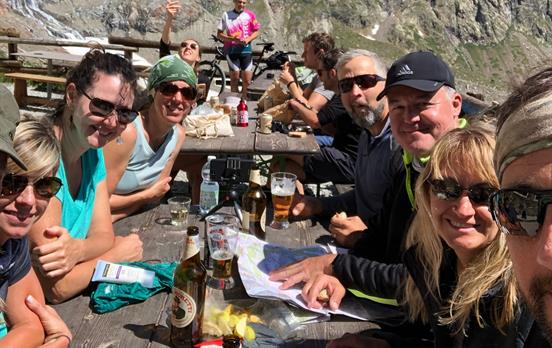
- A sociable atmosphere
Hotel-based itineraries offer more comfort and private rooms, ideal if you prefer a little extra recovery each evening.

7. Start Early on Mountain Pass Days
Afternoon storms are common in the Alps, particularly in July and August.
Starting early:
- Helps you avoid peak heat
- Reduces storm risk
- Gives you time to enjoy the views
Most experienced TMB trekkers aim to be on the trail by 7:30–8:00 am on pass days.

8. Fuel Well - You’ll Need It
Hiking the Tour du Mont Blanc burns serious energy.
Macs Adventure TMB itineraries include breakfast and evening meals in mountain huts.
Lunch is usually:
- A picnic prepared by your accommodations
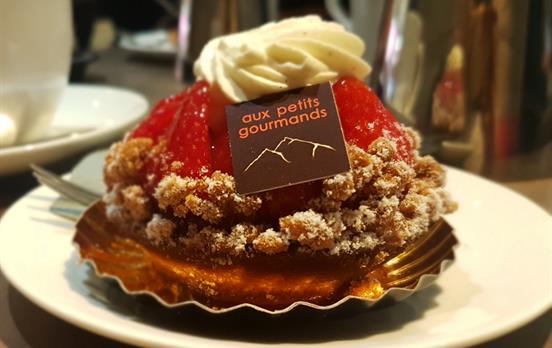
- Or sourced from local bakeries and cafés in villages
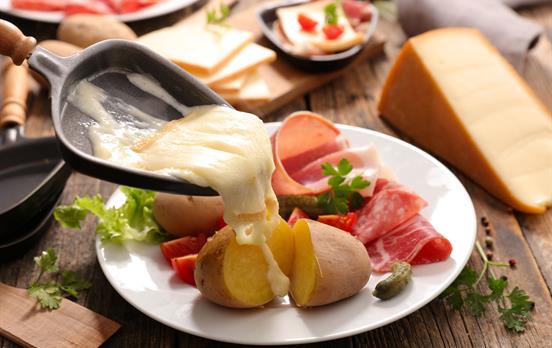
Expect classic alpine cuisine across three countries:
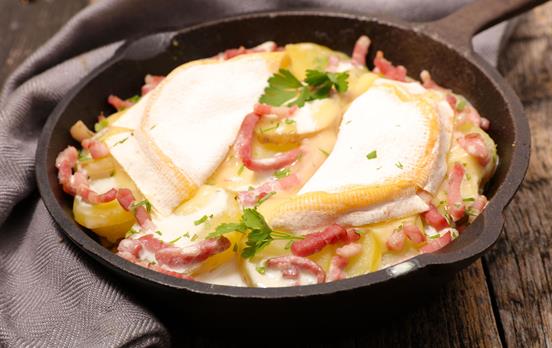
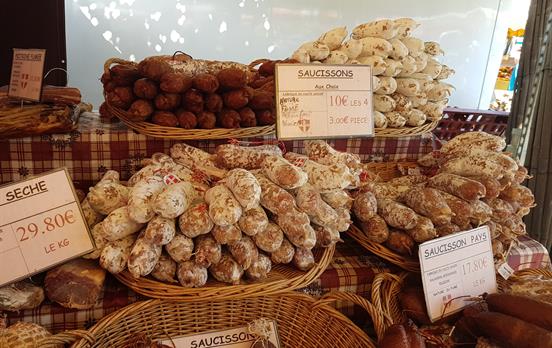
- France: Tartiflette, mountain cheeses, charcuterie
- Italy: Fresh pasta, espresso stops in Courmayeur
- Switzerland: Rösti, chocolate and well-marked village bakeries
Stay hydrated - and refill water at official sources.
Check out our TMB food and drink guide for more dining inspiration >

9. Consider Adding a Rest Day
The TMB is demanding. Adding a rest day in:
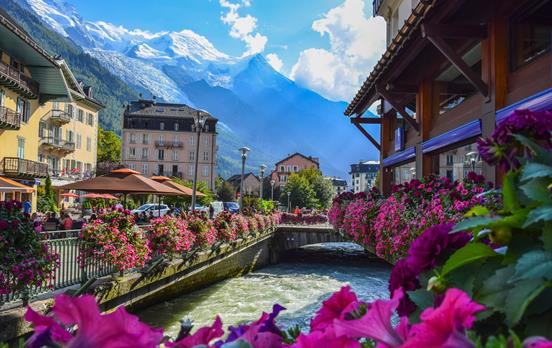
- Chamonix (France)
- Courmayeur (Italy)
- Champex (Switzerland)
can transform your experience.
Use the time to:
- Take the Aiguille du Midi cable car
- Enjoy a long Italian lunch
- Rest tired legs before the next mountain pass
- Take a dip in the lake in Champex
Our team can advise on how to incorporate rest days into your itinerary.

10. Embrace the Three-Country Experience
Few walks let you cross three countries on foot in just over a week.
On the Tour du Mont Blanc, you’ll move between:
- French alpine charm
- Italian mountain culture
- Swiss precision and pastoral beauty
Each valley has its own character, cuisine and atmosphere - making the journey feel constantly varied.
To truly embrace the three-country experience:
- Slow down in the villages. Pause for coffee in Courmayeur, browse a local boulangerie in Les Contamines, or pick up Swiss chocolate in Champex.
- Try regional specialties. From tartiflette in France to fresh pasta in Italy and rösti in Switzerland, the food changes as you cross each border.
- Learn a few local phrases. A simple “Bonjour,” when in the French section, or “Buongiorno,” in the Italian stage, goes a long way and deepens your connection with the places you pass through.
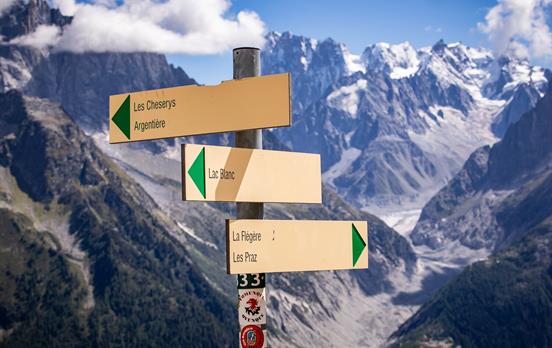
- Notice the subtle shifts. Architecture, trail signage, farming traditions and even the pace of life vary between countries.
Walking the Tour du Mont Blanc isn’t just about completing a circuit - it’s about experiencing three distinct alpine cultures, all united by the towering presence of Mont Blanc.

11. Trust Your Route Notes and Support
When you hike the Tour du Mont Blanc with Macs Adventure, you’re traveling self-guided - but never unsupported.
You’ll receive:
- Detailed route notes for navigation via our award-winning app
- Carefully planned daily stages
- Access to 24/7 emergency support whenever you need us
This balance of independence and reassurance is what makes our TMB tours so popular.
Why Walk the Tour du Mont Blanc with Macs Adventure?
Walking the Tour du Mont Blanc is a true alpine achievement.
It’s:
- Physically challenging
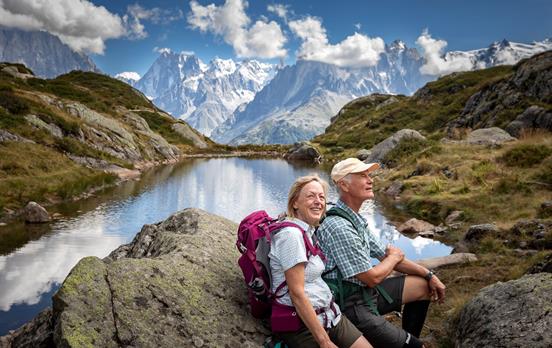
- Scenically spectacular
- Deeply rewarding
With luggage transfers, hand-picked accommodations, detailed route planning and flexible staged options, our self-guided Tour du Mont Blanc tours allow you to focus on the experience - not the logistics.
Whether you choose to complete the full circuit or hike the highlights, the Tour du Mont Blanc is a journey you’ll never forget.
Ready to start planning? Explore our Tour du Mont Blanc hiking vacations and find the itinerary that fits your adventure style.

People Also Ask
- Guide to hiking the Tour du Mont Blanc
Everything you need to plan your TMB adventure, from route options and highlights to daily distances and logistics.
Read our full guide to hiking the Tour du Mont Blanc > - Weather conditions on the TMB
Expect changeable alpine weather-warm valley days, cooler mountain passes, and the occasional surprise shower.
Learn more about weather conditions on the TMB > - How fit do I need to be to hike the TMB?
A good level of fitness helps, as you’ll be walking 6–8 hours a day with regular ascents and descents.
Find out how fit you need to be for the TMB > - How to get to the start of the TMB
Most routes begin in Chamonix, which is easily reached via Geneva Airport and a straightforward transfer.
See our guide on how to get to the start of the TMB >
- TMB packing list
Think light layers, waterproofs, sturdy boots, and a few hut essentials-packing smart makes all the difference.
Check out our full TMB packing list > - What to eat and drink on the TMB
Refuel with hearty alpine meals, local cheeses, fresh bread, and the occasional well-earned beer or glass of wine.
Discover what to eat and drink on the TMB > - TMB FAQs
Got questions? From luggage transfers to route variations, our FAQs cover the details that make planning easier.
Browse our full TMB FAQs > - You’ve done the TMB, now what?
Once you’ve ticked off the TMB, there’s a whole world of long-distance trails waiting-think Alta Via routes or the Haute Route.
Explore where to go after the TMB > - TMB vs. Alta Via 1
Both offer spectacular alpine scenery, but the Alta Via 1 is quieter and more rugged, while the TMB is more social and well-established.
Compare the TMB vs. Alta Via 1 > - Mountain Hut guide – what’s it like to stay in a mountain hut?
From shared dorms to communal dinners, here’s what to expect when staying in alpine mountain huts along the trail.
Read our full mountain hut guide >




















 Canada