



Everything You Need to Know Before Walking the Camino de Santiago
Booking the Camino de Santiago is a big decision, and it's natural to have a lot of questions. We've put together answers to the ones we hear most often - so you can stop wondering and start planning.

Is it safe to walk the Camino solo?
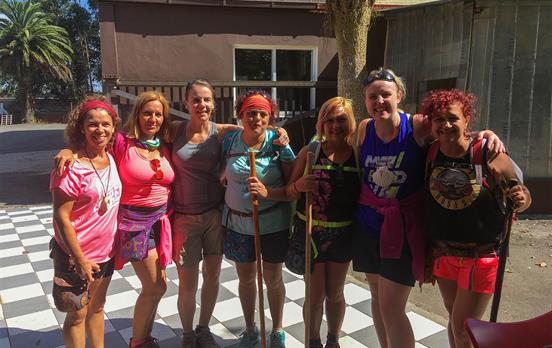
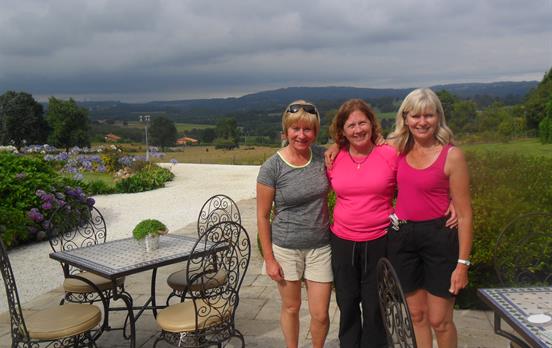
Yes. The Camino is well-marked, well-traveled, and widely considered safe for solo walkers. Most people actually start out alone - but rarely feel it for long. The pilgrim community along the route is one of its best features, and you'll find yourself falling into step with fellow walkers within the first hour.
Personal safety is not considered a higher risk on the Camino. Most locals are genuinely warm towards pilgrims and will go out of their way to help. As with anywhere, it's worth taking basic precautions - keeping valuables out of sight, especially in larger cities - but there's no real cause for concern. We only book private, en suite rooms for extra peace of mind.
For solo walkers feeling a little nervous, the Camino Francés is a great starting point. It's the busiest route, so there's always company if you want it (a solo supplement does apply to our trips), and we’re available around the clock if you need us.
Is it safe to walk the Camino as a solo female traveler?
Absolutely. The same applies here. The Camino has a strong, supportive community and a well-deserved reputation as one of the safest long-distance routes in the world. Take the same sensible precautions you would anywhere, and you'll be just fine.

What are the paths like?
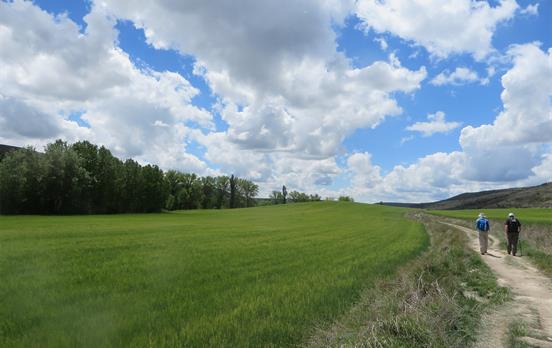
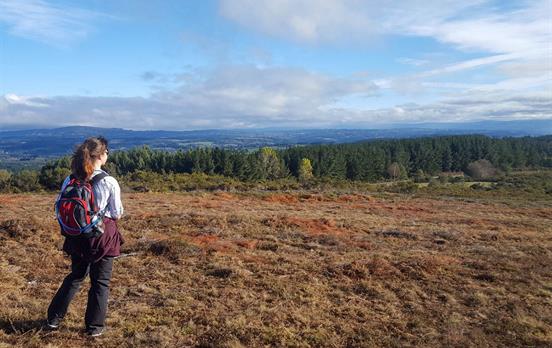
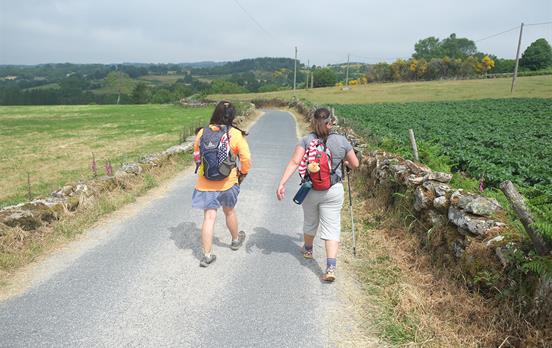
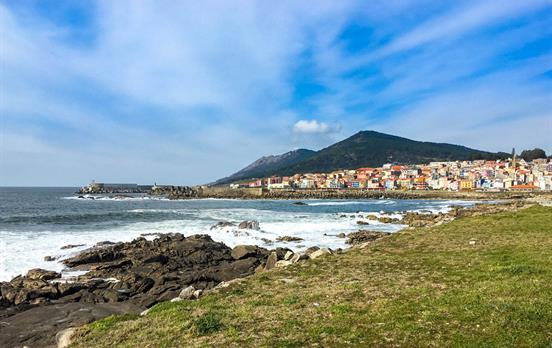
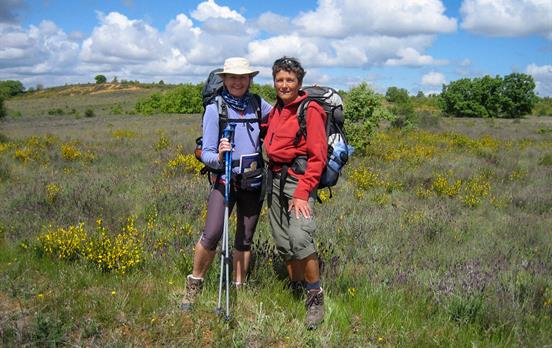
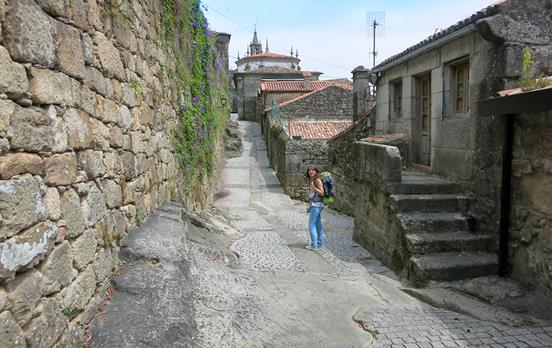
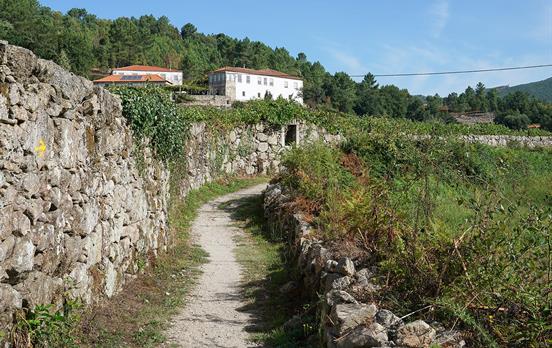
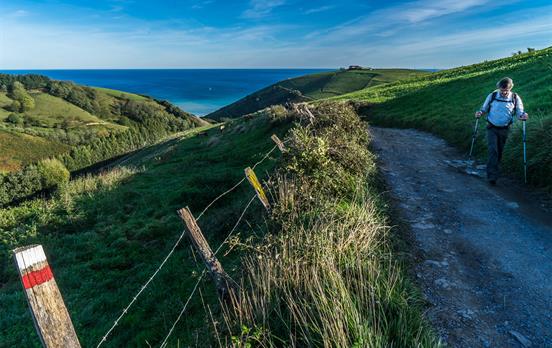
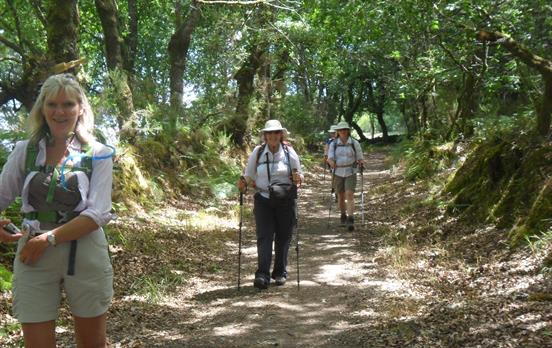
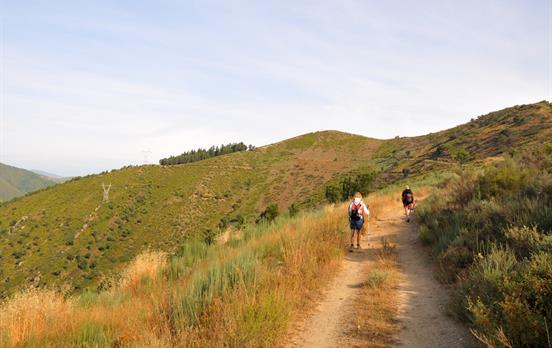
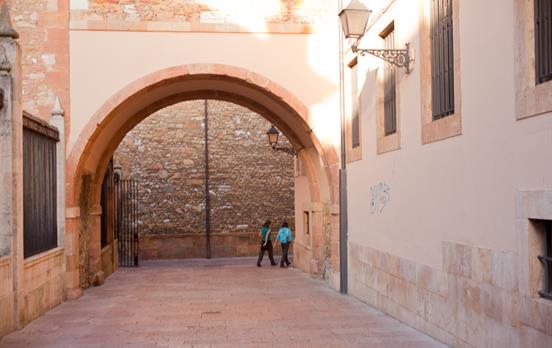
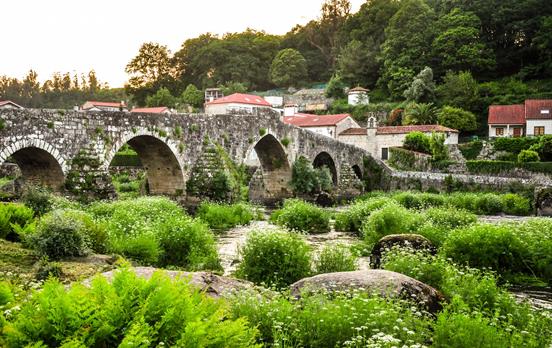
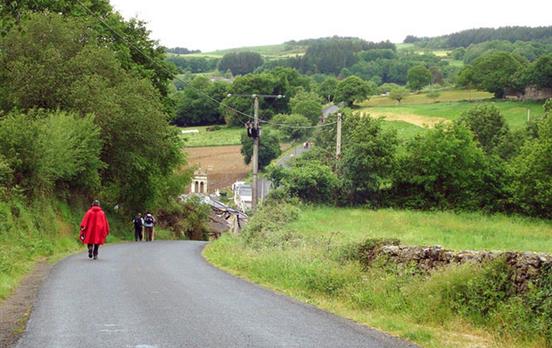
Each Camino route is genuinely varied - that's a big part of what makes the Camino network so special. Paths are generally easy to follow and well-marked, with a mix of dirt tracks, gravel paths, cobbles, and quiet roads. Terrain shifts from stage to stage: you might spend one day walking through shaded woodland and vineyard trails, and the next picking your way through rolling Galician countryside dotted with medieval villages. Even the occasional stretch through the city outskirts has its own character.
No two sections are the same. That variety is exactly what makes the Camino so unique.
Can beginners do the Camino?
Absolutely - with the right route, realistic daily distances, and a steady pace. Many Camino routes are well-suited to first-time walkers, and with some basic preparation and comfy footwear, beginners can enjoy the experience with real confidence.
Many travelers walk the Camino without any formal fitness training and still reach Santiago de Compostela. That said, you'll have a far more enjoyable time if you've done some hill walking or regular aerobic exercise in the months beforehand. Start slowly, build gradually, and aim for at least 30-45 minutes of walking, running, or cycling three times a week, with a longer walk at the weekend that includes some hills.
Read our fitness tips for the Camino if you'd like more guidance on getting ready.

Can families with young children walk the Camino?
The Camino is a wonderful trip for families - but we'd recommend waiting until kids are at least 12 before booking with Macs. At that age, most young walkers can handle the daily distances and get real enjoyment from the experience. It's a trip that tends to stick with people for life.
Is the Camino way-marked?
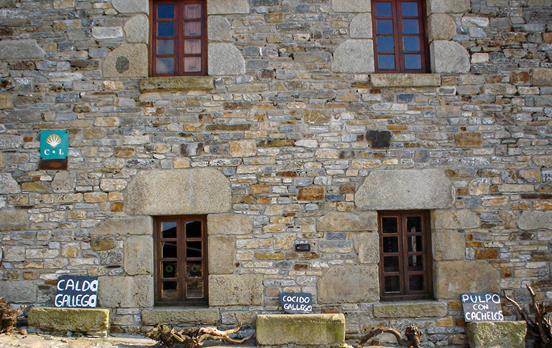
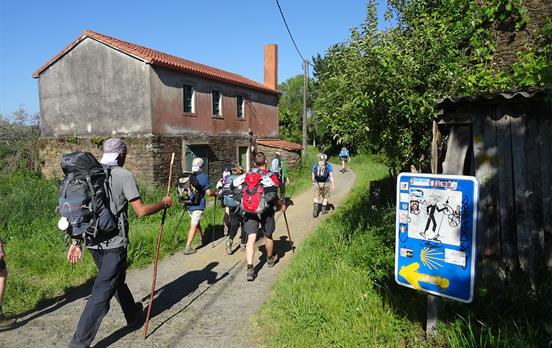
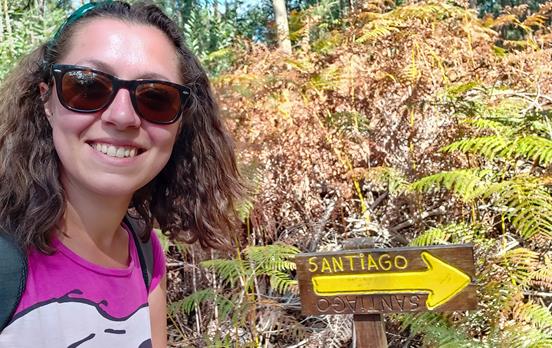
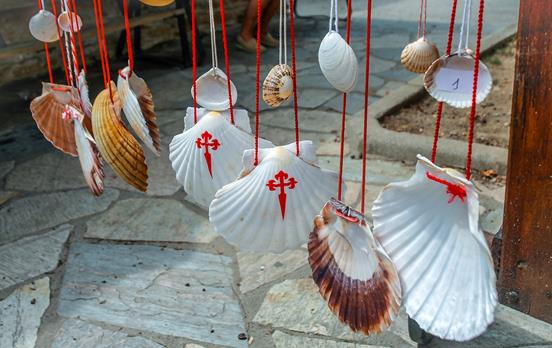
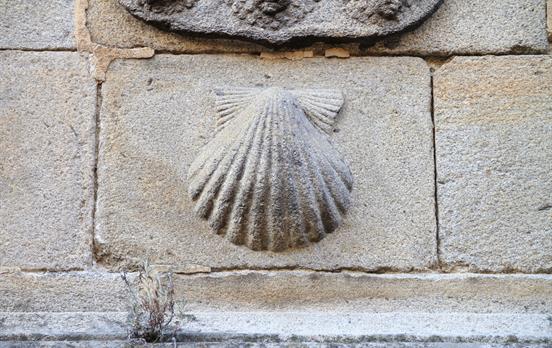
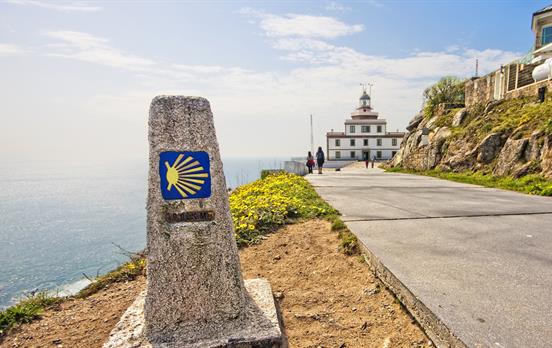
Yes, and very well. The main routes - the Camino Francés, Le Puy and Camino Portuguese - are marked by yellow arrows and scallop shells. Every turn and twist of the path is clearly signed. Plus, with the Macs app, you can focus on the walk rather than the navigation.

Do I need to speak Spanish?
English is commonly spoken, but a little goes a long way. The locals genuinely appreciate the effort, and some basic phrases will enrich your experience - especially on quieter stretches where fellow pilgrims are few. If you're walking the Camino Portugués or Le Puy route, a few words of Portuguese or French will serve you well, too. Check out our Camino phrases guide to help you prep.
What if I can't walk on a particular day?
No need to push through if you're struggling. There's usually public transport or a taxi available to the next stop. Listen to your body - the Camino will still be there tomorrow.
How do I find my arrival transfer if I've booked one?
Your arrival transfer details will be included in your pre-departure trip info in the app and your online account. Your driver will meet you at the agreed pick-up point. If anything's unclear on the day, the contact details for your local taxi transfer provider and our local contact will be in your trip info too.

What is the Pilgrim's Passport?
The Pilgrim's Passport (or credential) is a small booklet that gets stamped at bars, hotels, churches, museums, and refugios along the way. We include it in your arrival pack, but it's easily picked up at pilgrim offices and churches in the main towns if needed.
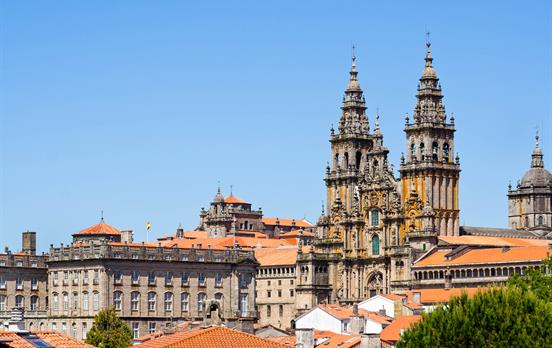
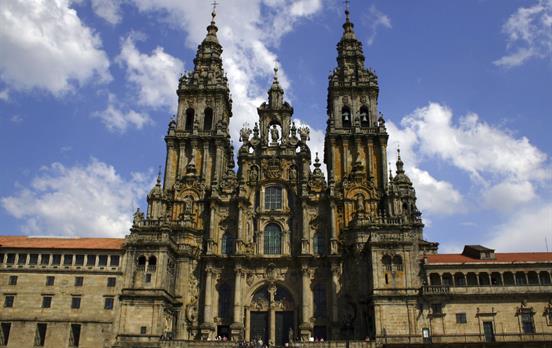
On arrival in Santiago, take your passport to the Pilgrim Office and - provided you've walked the last 100km - you'll receive the Compostela certificate to mark the completion of your pilgrimage. A well-earned moment.
Will I get a Camino shell?
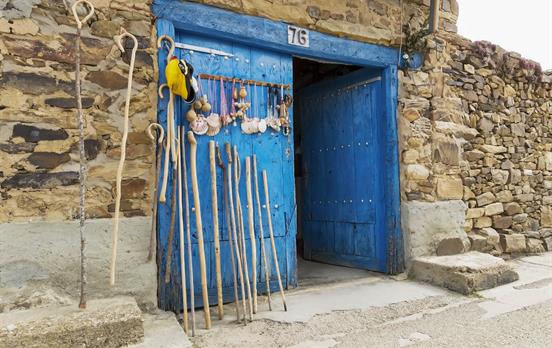
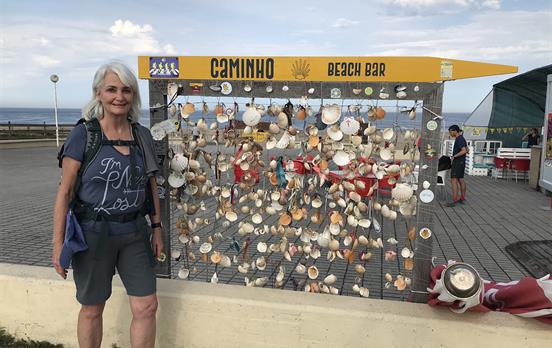
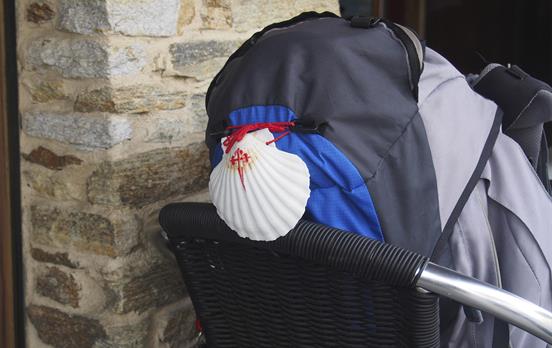
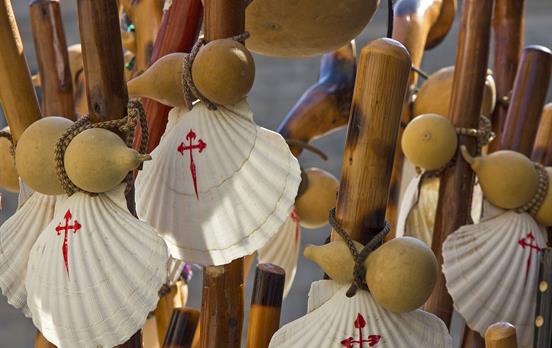
Yes. Your scallop shell is included on all Macs Camino trips except Camino le Puy, and will be waiting for you at your first accommodation, alongside your Pilgrim's Passport. It's the symbol of the Camino - wear it with pride. Read more about the Camino Shell.

What's the food like?
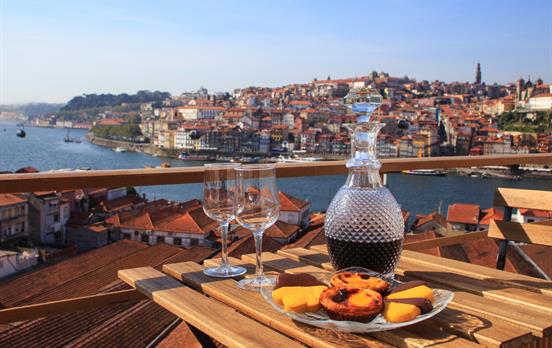
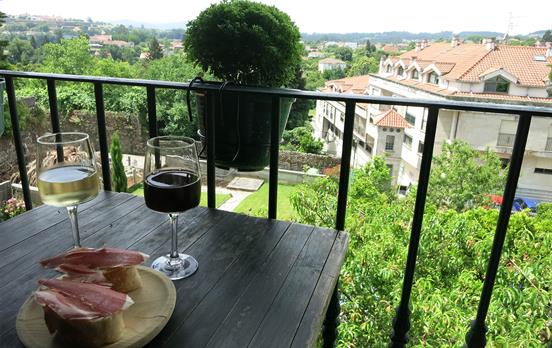
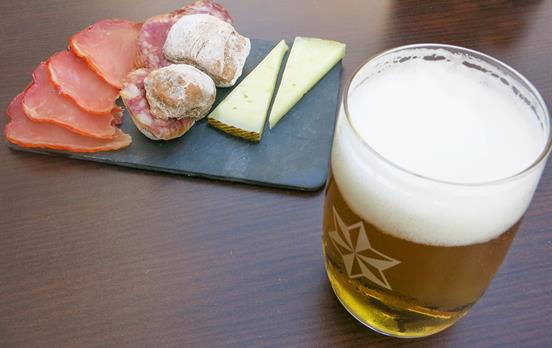
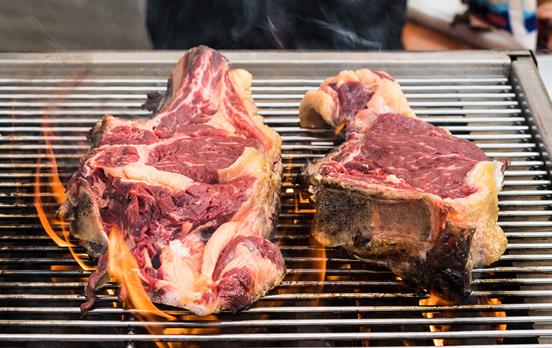
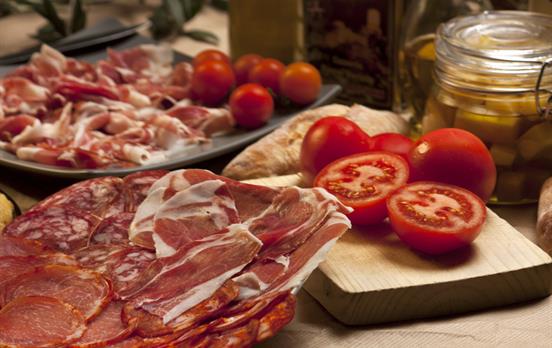
Simply. Really good. The Camino passes through some genuinely interesting places with distinct local cuisines. Even the smallest villages will have somewhere to pick up food or provisions, and the Menu del Día (the pilgrim's menu of the day) is excellent value - a starter, bread, main course, dessert, and half a bottle of local wine for around 8-12 euros.
On the Camino Francés, there are plenty of lunch stops along the route. On quieter routes, it's worth checking your route notes and picking up a few snacks for the next day if you're heading into a more remote stretch. And bear in mind that in Spain, dinner service tends to start later in the evening - handy to know after a long day on your feet.
What is the hardest section of the Camino Francés?
Stage 1, from St Jean Pied de Port. The first day is the toughest on the whole Camino Francés - a significant climb through the Pyrenees with steep ascents and descents. It's worth knowing what you're in for. But the scenery and the sense of achievement more than make it worthwhile.

How long does it take to get from Santiago Airport to Sarria?
If you've booked a taxi transfer through Macs Adventure, it takes around 1.5 hrs - the simplest option, with no changes or waiting around.
If you'd rather make your own way, there are a couple of public transport options worth knowing about:
By bus - Freire buses run daily from Santiago Airport direct to Sarria, stopping at Lugo bus station en route. There's also a direct bus from Santiago's main bus station, departing once a day at 11:00 am and arriving in around 2 hours. Bear in mind you'd need to get into the city center first - the Freire airport bus connects the airport with the center of Santiago every 30 minutes, costing around €3 and taking 20 minutes.
A note on bus times and schedules: these do change seasonally, so it's worth checking the current timetables closer to your travel date.
By train - there's no direct train between Santiago de Compostela and Sarria. You'd need to change at Ourense or Monforte de Lemos, with only two connections a day in the late afternoon. It's an option, but given the limited departures and extra change, most travellers find the bus or a taxi transfer simpler.
If you're arriving on a tight schedule - or after a long-haul flight - a pre-booked taxi transfer is well worth it for the peace of mind alone.
Read more about traveling to and from the Camino.
Can you tailor my trip?
Our itineraries have been tried and tested to make sure our adventurers get the most out of their journey - but we know that no two people walk the Camino the same way. We can add rest days, taxi transfers, and ensure you’re comfortable with the daily distances. In some sections, limited accommodations mean we can't break every walking day down, but our Camino experts will always find the best solution for your pace and plans. Get in touch, and we'll sort it from there.

Are the accommodations pre-booked?
Yes. Macs hand-picks and books all your accommodations along your Camino route before you travel. Every stop is confirmed in advance, so you can walk each day knowing exactly where you're headed and that there's a bed waiting for you at the end of it.
What should I expect if I arrive at my accommodations before check-in?
Early arrivals are common on the Camino - and it's nothing to worry about. Your accommodations will be happy to store your luggage while your room is being prepared. In the meantime, it's a great chance to wander the local village or town, find somewhere for a coffee, or - if your accommodation has a pool or bar - settle in and relax until your room is ready.

Do I need to book pilgrim dinners in advance?
You don't have to, but it's always a good idea, especially if you’re vegan/veggie/gluten-free and walking in high season. Diet restrictions aren't guaranteed to be catered for on a whim. For reassurance and to guarantee a table - especially in smaller villages where options are limited - it's worth making a reservation where possible. Your host will usually be happy to help, or you can book directly when you arrive at each stop.
How far in advance do I need to book?
As far in advance as you can manage. The Camino is extremely popular - particularly in Holy Years (when 25 July falls on a Sunday), when numbers can rise by up to 100,000. Early booking gives you the best pick of accommodations and peace of mind.
Are there bed bugs on the Camino?
It's a known issue in shared albergues and hostels. The accommodations we use are small hotels and guest houses with high cleanliness standards, so the risk is low. We only use private rooms with en-suites. There's always a small chance of isolated incidents, but our local partners are quick to act if anything arises.

How do luggage transfers work?
We arrange for your luggage to be collected from your accommodation each morning and delivered to your next stop before 5 pm. Just leave it at reception by 8 am, and it'll be waiting for you when you arrive.
Where do I get my luggage tag? What if I forget it?
Your luggage tag will be waiting for you at your first accommodation. If you’re walking the Camino Le Puy, your luggage tag will be sent to you at least 4 weeks before you leave. Attach it to your bag on day one and leave it on for the whole journey.
Forgotten it at home? No worries. You can use any old tag or sticker. Just write “Macs Adventure”, your name and booking number on it, then the luggage handler will fix one of their tags to it.
What equipment do I need?
Good hiking boots or shoes, lightweight clothes, waterproofs, and a daypack are the basics. Your trip info in the app and your online account includes a full kit list. You can also read our Camino packing guide for a more detailed rundown.

When is the best time to go?
April and May are wonderful - the spring flowers are out, and the days are long without being too hot. September and October are equally lovely, with softer light and a more relaxed pace as the summer crowds ease. June, July, and August can be very hot if you're not used to walking in the heat. Winter is quieter, but some accommodations close for the season, and it’s for this reason that we don’t offer many of our Camino itineraries between November and February.
For specific climate information by town, weather2travel.com is a useful resource.
Can I change my itinerary once I've started?
Unfortunately, no. Accommodations are booked in advance, and alternatives are rarely available at short notice. It's why we put so much work into the planning upfront.
What time is Mass in Santiago de Compostela?
There are two services: midday (12 pm) and 7:30 pm. Both can get busy, so arrive early. The service is in Spanish, but it's worth attending - it's a real moment to mark what you've achieved. If you're walking from Rua to Santiago and want to make the noon Mass, an early start is a good idea. If you miss it, head straight to collect your Compostela certificate - the queue will be shorter.

Is there drinking water on the route?
Yes, it's easy to come by. Tap water in Spain is safe to drink, and there are fountains along the route marked in your guidebook. For extra reassurance, we always recommend buying a filtration bottle which can remove up to 99.999% of contaminants. And if you've heard about the wine fountain on the Camino - yes, it's real.
Is there WiFi and mobile signal on the Camino?
Most accommodations in larger towns will have WiFi (local charges may apply). More remote spots will be limited, though cafes and restaurants often have it. Mobile signal is generally decent across the main Camino routes - more so on the Camino Francés - with only the occasional drop in coverage on more remote sections. You don’t need WiFi to use our app. So long as you’ve downloaded your trip before you leave, the navigation feature works offline.
We hope this helps you plan your Camino. For more details on any of our Camino trips, our specialists are always happy to help - drop us a line at hello@macsadventure.com.
Reasons to Book with Macs Adventure
Planning a Camino should feel exciting, not overwhelming. With Macs Adventure, everything is taken care of so you can focus on the experience itself.
- Carefully chosen accommodations with daily breakfasts
- Daily luggage transfers
- Detailed route info and navigation support via our award-winning app
- 24/7 emergency assistance
- Pilgrim passport and Camino shell included
All that’s left for you to do is follow the trail-and enjoy every step.
People Also Ask
- Ultimate Guide to the Camino de Santiago
Everything you need to know about routes, planning, and what to expect.
Read the ultimate Camino guide >
- What is a Camino?
A Camino is a long-distance pilgrimage journey, traditionally walked (or cycled), that follows historic routes leading to Santiago de Compostela in northwest Spain.
Learn more about the History of the Camino >
- Which Camino Is Right for Me?
Compare routes and find the Camino that best suits your pace, interests, and experience.
Find your Camino >
- What Should I Pack for My Camino Trip?
From footwear to essentials, pack smart and walk comfortably.
See the Camino packing list >
- Tips for Traveling to and From the Camino
Practical advice on flights, transfers, and route logistics.
Plan your journey >
- Essential Camino Phrases
Helpful Spanish phrases for pilgrims along the way.
Learn Camino phrases >
- How Fit Do I Need to Be to Walk a Camino Route?
Understand the physical demands and how to prepare.














 Canada