



Hiking the Camino de Santiago is one of Europe’s most iconic long-distance journeys - but before the adventure begins, there’s one important thing to plan: how to actually get to your Camino starting point, and how to return home at the end.
With so many different Camino routes - and even more options for shorter-stage itineraries - travel logistics can feel confusing at first. Some starting points are in major cities with direct airport connections, while others are in small mountain villages where you’ll need a combination of trains, buses, and sometimes a short taxi transfer.

This guide is designed to make things simple.
Below, you’ll find practical travel information for every Camino route we offer, including:
- The closest airports (with airport codes)
- How to reach your chosen start point by train or bus
- The easiest way to travel back from the finish
- Useful tools for booking public transport
- Suggestions for extending your trip before or after your walk

How to Get to Your Camino Start (and Back Again)
Planning your Camino vacation is exciting - but working out how to reach your starting point (and how to get home afterwards) can feel like the most confusing part.
To make things simple, we’ve put together straightforward travel guidance for every Camino itinerary we offer, including the best airports, train routes, and bus connections.
St Jean Pied de Port (Camino Francés Start)
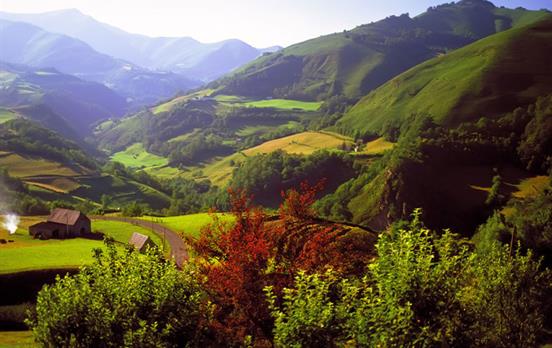
St Jean Pied de Port is the classic starting point of the full Camino Francés and Camino Francés Stage 1, located just over the French border in the Pyrenees.
Flying to St Jean Pied de Port
The closest airports are:
- Biarritz Airport (BIQ) – the most convenient option
- San Sebastián Airport (EAS) – small airport, limited flights
- Paris Charles de Gaulle (CDG) or Paris Orly (ORY) – best for international arrivals
Arriving by Train
- Travel to Bayonne Station (Gare de Bayonne)
- Take the local train from Bayonne → St Jean Pied de Port
- This is the most common pilgrim route into town.
Arriving by Bus
Some local buses operate between Bayonne and nearby villages, though trains are generally easier.
Getting Back After Your Walk
If you’ve completed the full route and finished in Santiago:
- Return to SCQ Airport by airport bus or taxi
If you’ve completed Stage 1 and finished in Logroño:
- If heading to Bilbao, take a direct coach to Bilbao, then the airport bus to Bilbao airport (BIO)
- If going to Madrid, hop on a train which takes approx. 4.5hrs, or a direct bus which takes around 4hrs.

Logroño (Camino Francés: Stage 2 Start)
Logroño is a fantastic starting point, especially for hikers wanting Rioja scenery and wine-country stages.
Flying to Logroño
Closest airports include:
- Bilbao Airport (BIO) – easiest option
- Madrid Airport (MAD) – good alternative
Arriving by Bus
- Fly into Bilbao (BIO)
- Take the airport bus to Bilbao city
- Travel from Bilbao Intermodal Bus Station
- Take a direct coach from Bilbao - Logroño
Arriving by Train
Train routes are possible, but buses are often simpler for this region.
Getting Back from The End of Your Trip
Your last destination for the stage is Burgos, which is about a 90min train or bus ride from Madrid or Bilbao, which is 2-3 hours by train or bus.

Burgos (Camino Frances: Stage 3 Start)
Burgos is a popular shorter-stage starting point with excellent transport connections.
Flying to Burgos
Closest airports:
- Madrid Airport (MAD)
- Bilbao Airport (BIO)
Arriving by Train
- Fly into Madrid
- Take the train from Madrid - Burgos Rosa de Lima Station
Arriving by Bus
Direct ALSA coaches also run frequently from Madrid.
Getting Back from The End of Your Trip
León is the finishing line for this stage, as it is well connected back to Madrid by train or bus for onward flights.

León (Camino Francés: Stage 4 Start)
León is a beautiful historic city and a popular Camino starting point for a shorter itinerary.
Flying to León
The nearest airports are:
- León Airport (LEN) – limited flights
- Madrid Airport (MAD) – best international connections
Arriving by Train
- Arrive in Madrid
- Travel to Madrid Chamartín Station
- Take a direct train from Madrid - León
Arriving by Bus
Long-distance ALSA coaches also run between Madrid and León.
Getting Back from The End of Your Trip
O Cebriero is the last stop on this stage. Most travelers return via Santiago for flights home.

O Cebreiro (Camino Frances: Stage 5 Start)
O Cebreiro is one of the most iconic Camino villages, set high in the Galician mountains.
Flying to O Cebreiro
The nearest airports are:
- Santiago Airport (SCQ)
- A Coruña Airport (LCG)
Arriving by Public Transport
O Cebreiro is rural, so travel usually involves several steps:
- Fly into Santiago
- Travel to Santiago city centre
- Take a train or bus towards Lugo or Piedrafita do Cebreiro
- Continue by local bus or taxi up to O Cebreiro
Getting Back from The End of Your Trip
Most travelers return via Santiago for flights home.
If traveling from overseas, many hikers connect via:
- Madrid (MAD) with internal flights on Vueling or Iberia
- Or travel overland by train (7–8 hours)

Sarria (Camino Francés: Final Stage)
Sarria is the most popular starting point for hiking the final 100km into Santiago.
Flying to Sarria
The closest airports are:
- Santiago de Compostela Airport (SCQ)
- A Coruña Airport (LCG)
Arriving by Train
- Fly into Santiago (SCQ)
- Take the airport bus or taxi to Santiago city
- Travel to Santiago Intermodal Station
- Take a regional train from Santiago - Sarria
Arriving by Bus
Buses also run from Santiago to Sarria, depending on the day and season.
Getting Back from The End of Your Trip
After finishing in Santiago:
- Return to Santiago Airport (SCQ) by airport bus or taxi

Santiago de Compostela (Camino Finish)
Santiago is the finish point for almost all Camino routes.
Flying from Santiago (SCQ)
If traveling from overseas, many hikers connect via:
- Madrid (MAD) with internal flights on Vueling or Iberia
- Or travel overland by train (7–8 hours)
Arriving by Train
Santiago’s main rail hub is:
- Santiago Intermodal Station
Timetables and fares can be viewed at RENFE.
Arriving by Bus
Santiago also has strong long-distance bus connections across Galicia and Spain.

San Sebastián (Camino del Norte Start)
San Sebastián is a stunning coastal city and a top starting point for the Northern Way.
Flying to San Sebastián
Closest airports:
- San Sebastián Airport (EAS) – limited flights
- Bilbao Airport (BIO) – most common option
Arriving by Bus
- Fly into Bilbao
- Take the bus from Bilbao Intermodal Station
- Arrive in San Sebastián in around 1 hour
Getting Back from The End of Your Trip
If you’ve completed the full route and finished in Santiago:
- Return to SCQ Airport by airport bus or taxi
If you’ve completed Stage 1 and finished in Bilbao:
- Return to Bilbao Airport (BIO) for your flight home

Bilbao (Camino del Norte: Stage 2 Start)
Flying to Bilbao
- Bilbao Airport (BIO) is just outside the city
Arriving by Bus
Airport buses run frequently to central Bilbao.
Getting Back from The End of Your Trip
Santander is your end destination. You can fly home from Santander Airport (SDR).

Santander (Camino del Norte: Stage 3 Start)
Flying to Santander
- Santander Airport (SDR)
Arriving by Train
- Santander Train Station (RENFE)
Arriving by Bus
- Santander Bus Station (Estación de Autobuses)
Getting Back from The End of Your Trip
Gijon is where your trip ends. Asturias Airport (OVD) is the closest airport. Hop on a bus, and you’ll be there in around 45 mins.

Gijón (Camino del Norte: Stage 4 Start)
Flying to Gijón
Closest airport:
- Asturias Airport (OVD)
Arriving by Train
- Travel onwards to Gijón Railway Station via Oviedo.
Getting Back from The End of Your Trip
Ribadeo is the final destination of this stage. Asturias Airport (OVD) or A Coruña Airport (LCG) are the closest airports which you can get to by bus.

Ribadeo (Camino del Norte: Stage 5 Start)
Ribadeo is a smaller coastal town, best reached via regional transport.
Flying to Ribadeo
Closest airports:
- Asturias Airport (OVD)
- A Coruña Airport (LCG)
Arriving by Bus
- Fly into Asturias or A Coruña
- Travel to the nearest city hub
- Continue onwards by regional coach to Ribadeo
Getting Back from The End of Your Trip
You’ve made it to Santiago, and the end of your trip. From here, you can jump on the airport bus or grab a taxi to Santiago Airport (SCQ).

Ferrol (Camino Inglés Start)
Flying to Ferrol
Closest airport:
- A Coruña Airport (LCG)
Arriving by Train
- Fly into A Coruña
- Travel to A Coruña train station
- Take the train to Ferrol Station
Getting Back from The End of Your Trip
Finish in Santiago and fly from Santiago Airport (SCQ).

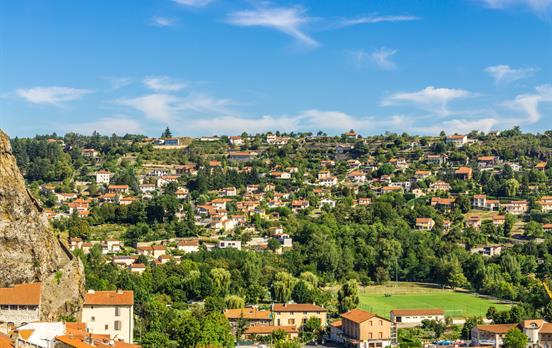
Le Puy-en-Velay (Camino Le Puy Start)
Flying to Le Puy
Closest airports:
- Lyon Airport (LYS)
- Clermont-Ferrand Airport (CFE)
Arriving by Train
Travel by regional train from Lyon to Le Puy-en-Velay Station
Getting Back from The End of Your Trip
If you’ve completed the full Le Puy Way, you’ll finish in St Jean Pied de Port.
The closest airports are:
- Biarritz Airport (BIQ) – the most convenient option
- San Sebastián Airport (EAS) – small airport, limited flights
- Paris Charles de Gaulle (CDG) or Paris Orly (ORY) – best for international departures
Departing by Train
- Take the local train to Bayonne
- Travel from Bayonne Station (Gare de Bayonne)
This is the most common pilgrim route into town.
Departing by Bus
- Some local buses operate between Bayonne and nearby villages, though trains are generally easier.
If you’ve completed Le Puy Way Stages 1 and 2 (a combined itinerary), you’ll finish in Conques, where Toulouse has the closest airport (TLS).

Conques (Camio Le Puy: Stage 3 & 4 Combined Start)
Conques is rural and requires a combination of rail + road transfer.
Flying to Conques
Closest airport:
- Toulouse Airport (TLS)
Arriving by Train & Taxi
- Fly into Toulouse
- Take a train towards the nearest rail station
- Continue by taxi or local bus to Conques
Getting Back from The End of Your Trip
Lectoure is the finishing line for this leg of the Camino Le Puy. Toulouse is the closest airport, which you can get to by local bus.

Lectoure (Camino Le Puy: Stage 5 & 6 Combined Start)
Flying to Lectoure
Closest airport:
- Toulouse Airport (TLS)
Arriving by Bus
Lectoure is best reached via regional buses from Toulouse.
Getting Back from The End of Your Trip
St Jean Pied de Port is the end of the Camino Le Puy.
The closest airports are:
- Biarritz Airport (BIQ) – the most convenient option
- San Sebastián Airport (EAS) – small airport, limited flights
- Paris Charles de Gaulle (CDG) or Paris Orly (ORY) – best for international arrivals
Departing by Train
- Take the local train from St Jean Pied de Port → Bayonne
- Travel from Bayonne Station (Gare de Bayonne) to your chosen airport.

Porto (Camino Portugués Coastal Way: Full Walk Start / Stage 1 Start)
Flying to Porto
- Porto Airport (OPO)
Arriving by Metro
Porto has one of Europe’s easiest airport transfers:
- Metro directly from OPO into Porto city centre
Getting Back from The End of Your Trip
If you’ve completed the full route and finished in Santiago:
- Head to Santiago Airport (SCQ) by airport bus or taxi.
If you’ve completed Stage 1 and finished in A Guarda:
- The closest airport is Vigo Airport (VGO), which you can reach by regional bus.

A Guarda (Portuguese Coastal Way: Stage 2 Start)
Flying to A Guarda
Closest airport:
- Vigo Airport (VGO)
Arriving by Bus
Continue by regional bus from Vigo down the coast.
Getting Back from The End of Your Trip
- Head to Santiago Airport (SCQ) by airport bus or taxi

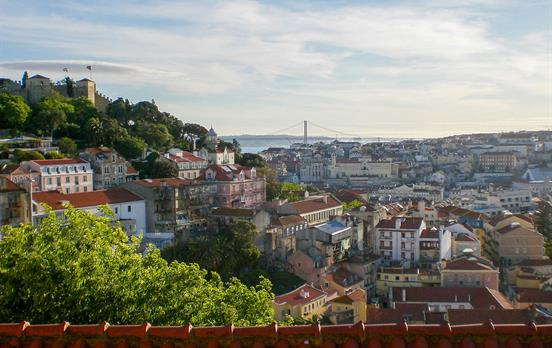
Lisbon (Camino Portugués Central Way: Full Walk Start)
Flying to Lisbon
- Lisbon Airport (LIS)
Arriving by Metro
Metro runs directly from LIS into central Lisbon.
Getting Back from The End of Your Trip
- Head to Santiago Airport (SCQ) by airport bus or taxi

Porto (Camino Portuguese Central: Stage 4 Start)
Flying to Porto
- Porto Airport (OPO)
Arriving by Metro
Porto has one of Europe’s easiest airport transfers:
- Metro directly from OPO into Porto city centre
Getting Back from The End of Your Trip
If you’re only completing stage 4 and have finished in Tui:
- Vigo Airport (VGO) and Porto Airport are the closest airports. Hop on a regional bus/train to Vigo City. Then head to your chosen airport.
If you’re completing stages 4 & 5 together and finished in Santiago:
- Head to Santiago Airport (SCQ) by airport bus or taxi

Tui (Camino Portugues Central Way: Final Stage Start)
Flying to Tui
Closest airports:
- Vigo Airport (VGO)
- Porto Airport (OPO)
Arriving by Train/Bus
- Travel via Vigo city, then onward by regional bus/train to Tui.
Getting Back from The End of Your Trip
- Head to Santiago Airport (SCQ) by airport bus or taxi

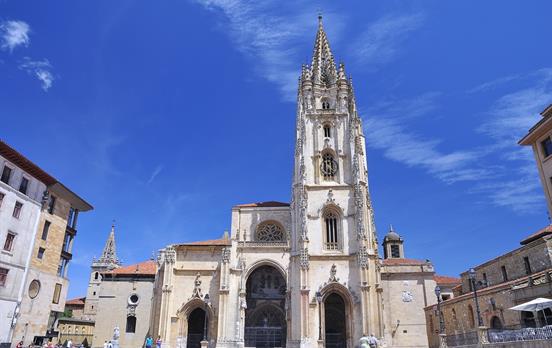
Oviedo (Camino Primitivo Start)
Flying to Oviedo
Closest airport:
- Asturias Airport (OVD)
Arriving by Bus
- Airport buses run directly to Oviedo city centre.
Getting Back from The End of Your Trip
- Finish in Santiago and fly home from Santiago Airport (SCQ).

Useful Transport Booking Tools
To make planning easier, we recommend these official platforms:
- RENFE (Spain trains)
- ALSA (Spain long-distance buses)
- Monbus (Galicia regional routes)
- SNCF Connect (France trains)
- CP – Comboios de Portugal (Portugal trains)
- Omio / Trainline (multi-country comparisons)
- Rome2Rio (highlights the best way to get there – bus, train, air, ferry)
Top tip: In rural Camino regions, buses often run less frequently - always check timetables in advance and allow buffer time.

Extending Your Camino Trip
Many hikers choose to add extra nights before or after their Camino:
Before your walk
- Explore Porto, San Sebastián, or León
- Spend a night in Bayonne or Biarritz before starting from St Jean Pied de Port
After finishing
- Stay in Santiago for 1–2 nights to celebrate
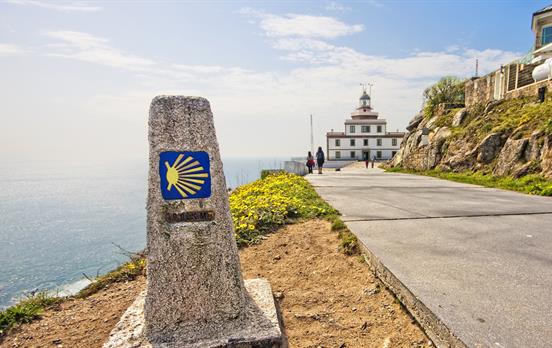
- Continue onwards to Finisterre for a true coastal finale

Reasons to Book with Macs Adventure
Planning a Camino should feel exciting, not overwhelming. With Macs Adventure, everything is taken care of so you can focus on the experience itself.
- Carefully chosen accommodation with daily breakfasts
- Hand-picked accommodations
- Daily luggage transfers
- Detailed route info and navigation support via our award-winning app
- 24/7 emergency assistance
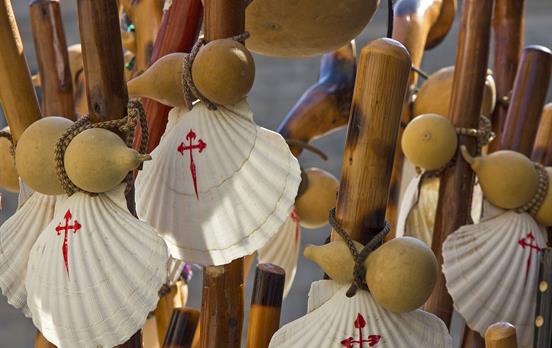
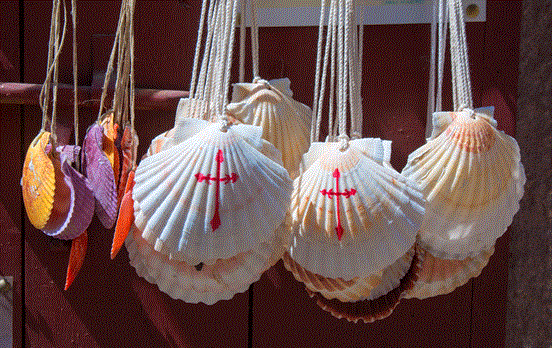
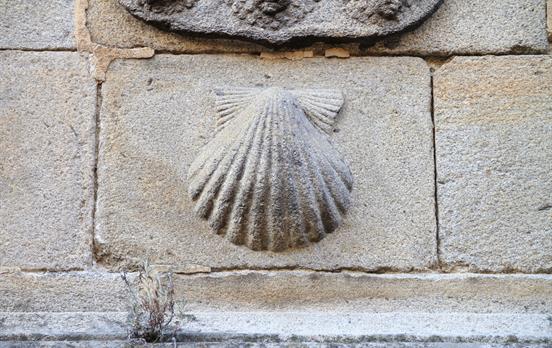
- Pilgrim passport and Camino shell included
All that’s left for you to do is follow the trail-and enjoy every step.

People Also Ask
- Ultimate Guide to the Camino de Santiago
Everything you need to know about routes, planning, and what to expect.
Read the ultimate Camino guide >
- What is a Camino?
A Camino is a long-distance pilgrimage journey, traditionally walked (or cycled), that follows historic routes leading to Santiago de Compostela in northwest Spain.
Learn more about the History of the Camino >
- Which Camino Is Right for Me?
Compare routes and find the Camino that best suits your pace, interests, and experience.
Find your Camino >
- What Should I Pack for My Camino Trip?
From footwear to essentials, pack smart and walk comfortably.
See the Camino packing list >
- Essential Camino Phrases
Helpful Spanish phrases for pilgrims along the way.
Learn Camino phrases >
- How Fit Do I Need to Be to Walk a Camino Route?
Understand the physical demands and how to prepare.
- Camino FAQs
Clear answers to the most common Camino questions.
Read Camino FAQs >
Buen Camino.





















 Canada