



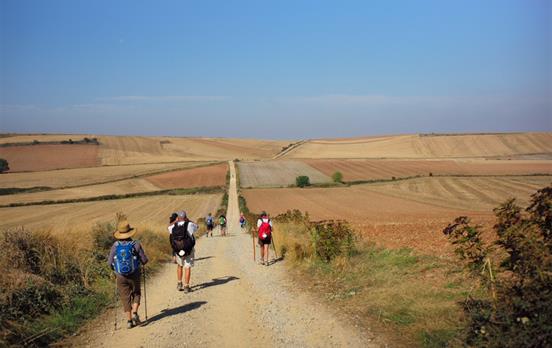
For more than a thousand years, people have been walking towards Santiago de Compostela. Kings and peasants, monks and merchants, seekers and adventurers - all drawn westward across Europe by faith, curiosity, hope, or simply the pull of the road ahead. The Camino de Santiago is not one single path, but a living network of ancient routes that continue to shape lives today.
This guide explores the history of the Camino, why it began, how its traditions evolved, and why so many modern travelers still feel called to walk it.

The Origins of the Camino de Santiago
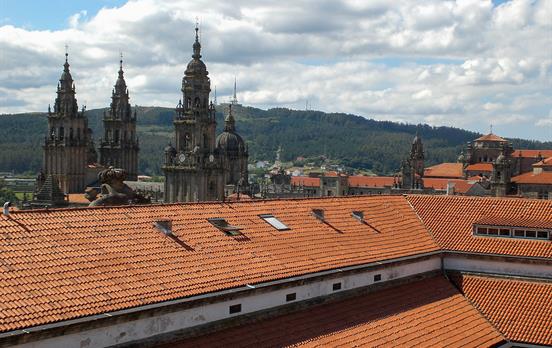
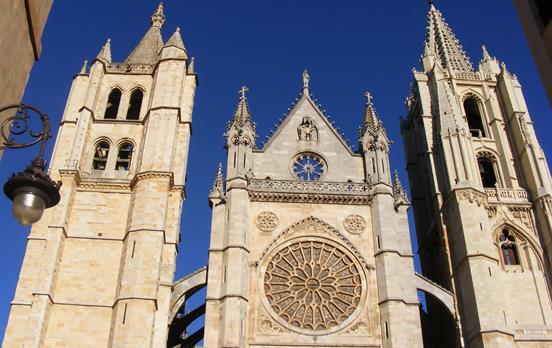
The story of the Camino begins in the early 9th century, when the tomb believed to belong to St James the Apostle was discovered in northwest Spain. According to legend, St James preached Christianity in Iberia before returning to Jerusalem, where he was martyred. His remains were said to have been miraculously transported back to Galicia.
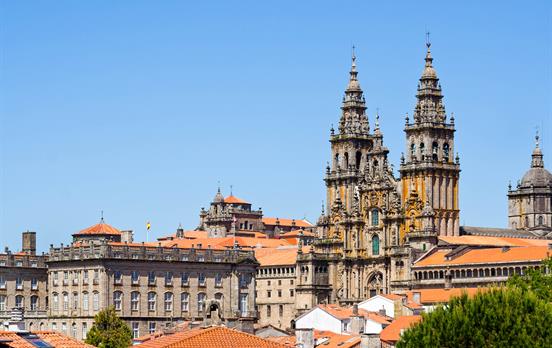
The discovery transformed Santiago de Compostela into one of medieval Christianity’s most important pilgrimage destinations, alongside Rome and Jerusalem. From across Europe, pilgrims began traveling on foot, following Roman roads, mountain passes, and coastal tracks - paths that would eventually become the Camino routes we know today.
Walking the Camino was never easy. Journeys took months, sometimes years, and pilgrims faced illness, bandits, harsh weather, and uncertainty. But the spiritual reward, forgiveness of sins, and the promise of transformation made the journey irresistible.

Why People Began Walking the Camino
In medieval times, pilgrimage was both a spiritual duty and a social force. People walked the Camino to:
- Seek forgiveness or fulfil a religious vow
- Give thanks for survival or healing
- Perform penance ordered by the Church or courts
- Mark major life transitions - grief, loss, or change
But the Camino was never only about religion. It also became a route of cultural exchange, shaping towns, trade, architecture, and language across Europe. Monasteries, bridges, hospitals, and inns were built specifically to support pilgrims, and many still welcome walkers today.

What the Camino Means
At its heart, the Camino is a journey with meaning - but that meaning has always been personal.
Historically, it represented devotion and sacrifice. Today, it often symbolizes simplicity, reflection, and connection. People walk to disconnect from modern life. To process change, to challenge themselves physically, or simply to experience slow travel through landscapes shaped by centuries of footsteps. Sometimes, people don’t even know the reason for their journey until after they’ve finished.
The Camino doesn’t demand a single reason - and that openness is part of its enduring power.

Camino Traditions and Where They Come From
Many Camino traditions have medieval roots and continue, quietly unchanged, today.
Walking with intention
Pilgrims traditionally began their journey from their own front door, reinforcing the idea that the Camino starts long before the first trail marker.
Pilgrim hospitality
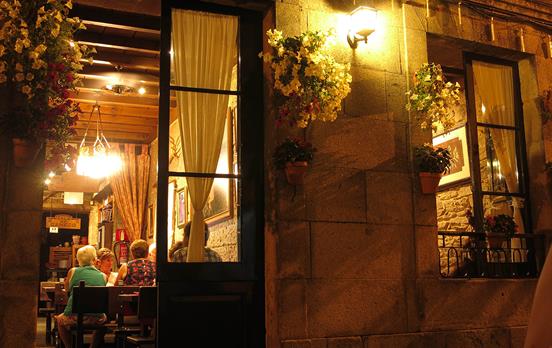
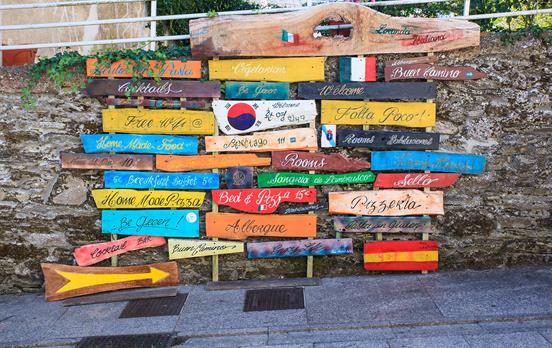
Albergues and pilgrim hostels developed from monastic shelters offering food and rest. The spirit of shared meals, communal spaces, and mutual support remains central to the Camino experience.
Simple routines
Early starts, daily walking rhythms, and shared destinations foster a sense of equality - everyone arrives tired, regardless of background.

How the Camino Has Evolved Over Time
The Camino declined during the Reformation and later political upheavals, but it never disappeared completely. In the late 20th century, restoration projects, improved waymarking, and renewed interest in slow, meaningful travel sparked a revival.
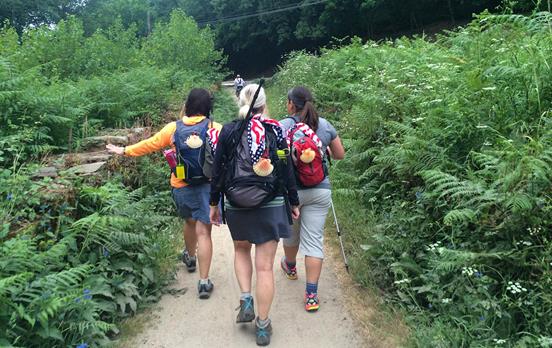
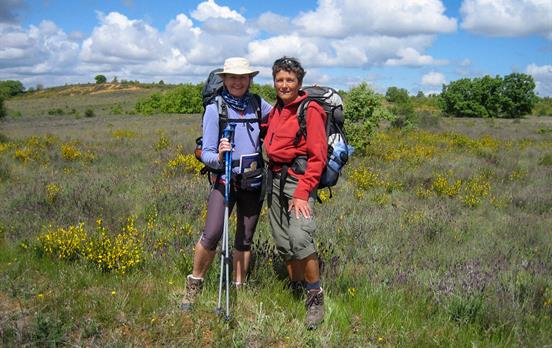
Today, hundreds of thousands of pilgrims walk the Camino each year. While motivations have broadened beyond religion, the essence remains: a journey shaped by movement, reflection, and shared humanity.
Modern self-guided itineraries now make the Camino more accessible, allowing walkers to experience its history and traditions with comfort, support, and flexibility - without losing its soul.

The Scallop Shell: How It Became the Camino Symbol
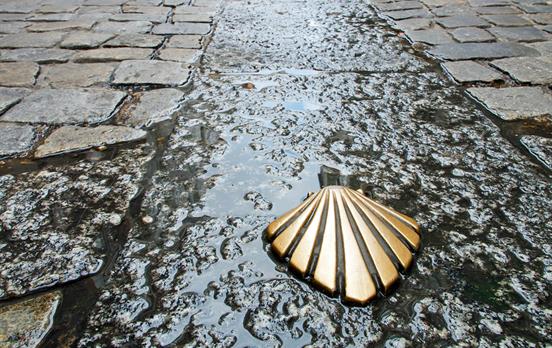
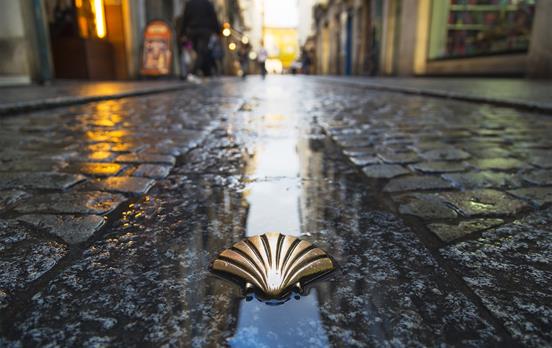
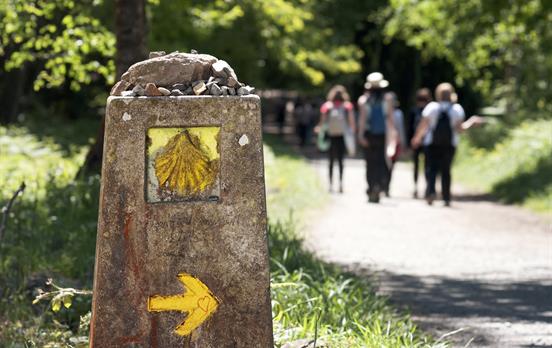
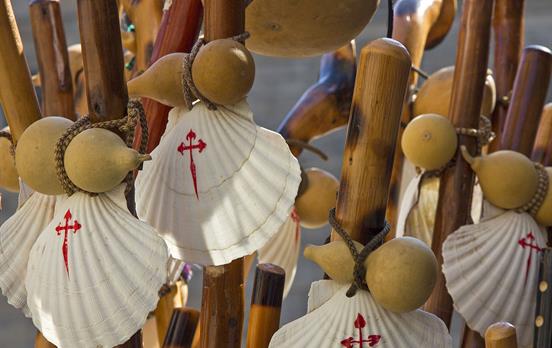
The scallop shell is the most recognizable symbol of the Camino - seen on waymarkers, worn on backpacks, and displayed at journey’s end.
Historically, shells were collected by pilgrims upon reaching the Atlantic coast beyond Santiago, serving as proof of completion. Over time, the shell became a universal emblem of pilgrimage, guidance, and protection.
Its ridges are often said to represent the many routes converging on Santiago - a powerful metaphor for the Camino itself.
Want to learn more? Read our dedicated guide to the Camino shell and its meaning >

The Pilgrim Passport and the Camino Certificate
The Pilgrim Passport (Credencial)
Introduced to identify genuine pilgrims, the credencial allowed travelers access to food, shelter, and support along the route. Today, pilgrims collect stamps from churches, cafés, accommodations, and waypoints - creating a tangible record of the journey.
The Camino Certificate (Compostela)
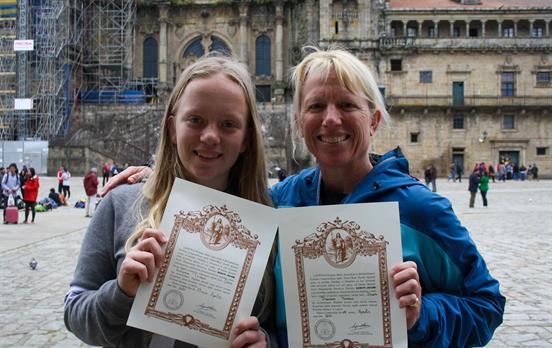
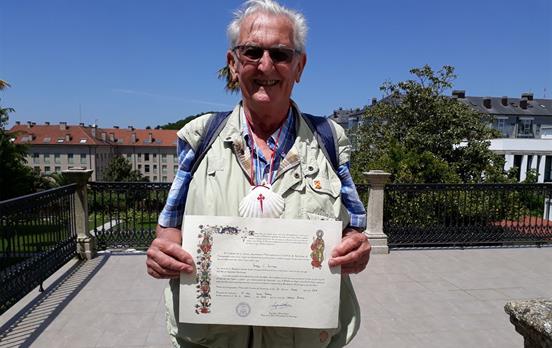
Issued in Santiago, the Compostela certifies that you’ve completed the final required distance on foot. Originally religious in nature, it remains a powerful symbol of achievement - spiritual or otherwise.
Both traditions connect modern walkers directly to centuries of pilgrimage history.

Why Walk the Camino Today?
Because few journeys offer this blend of history, culture, challenge, and connection.
The Camino strips life back to essentials: walking, eating, resting, and moving forward. It invites conversation, reflection, and unexpected friendships. And it offers something rare - time to think, and space to simply be.
Whether walked for faith, curiosity, healing, or adventure, the Camino leaves its mark long after the final step.
Why Choose Macs Adventure for Your Camino Journey?
At Macs Adventure, we specialize in self-guided Camino de Santiago vacations that let you focus on the journey - not the logistics.
- Carefully curated routes and stages
- Hand-picked accommodations
- Luggage transfers available
- Detailed route notes and easy navigation via our app
- Pilgrim passport & Camino shell included
- 24/7 local support

People Also Ask
- Ultimate Guide to the Camino de Santiago
Everything you need to know about routes, planning, and what to expect.
Read the ultimate Camino guide >
- What is a Camino?
A Camino is a long-distance pilgrimage journey, traditionally walked (or cycled), that follows historic routes leading to Santiago de Compostela in northwest Spain.
Learn more about the History of the Camino >
- Which Camino Is Right for Me?
Compare routes and find the Camino that best suits your pace, interests, and experience.
Find your Camino >
- What Should I Pack for My Camino Trip?
From footwear to essentials, pack smart and walk comfortably.
See the Camino packing list >
- Tips for Traveling to and From the Camino
Practical advice on flights, transfers, and route logistics.
Plan your journey >
- Essential Camino Phrases
Helpful Spanish phrases for pilgrims along the way.
Learn Camino phrases >
- How Fit Do I Need to Be to Walk a Camino Route?
Understand the physical demands and how to prepare.
- Camino FAQs
Clear answers to the most common Camino questions.
Read Camino FAQs >
Buen Camino.












 Canada