



Choosing a Camino de Santiago route can feel like a genuinely difficult decision. There are so many paths leading to Santiago de Compostela, and two of the most rewarding - and most different - are the Camino del Norte and the Camino Primitivo.
One traces Spain's dramatic Atlantic coastline past world-class cities and seafood-filled fishing villages. The other climbs straight into the remote Cantabrian Mountains on the oldest pilgrim path in existence. Both end at the same cathedral. Both are genuinely special. But they offer very different walking holidays.
This guide breaks down the key differences to help you pick the one that suits you.

A Tale of Two Caminos
Both routes finish in Santiago, but their histories are centuries apart.
Camino del Norte: The Coastal Way
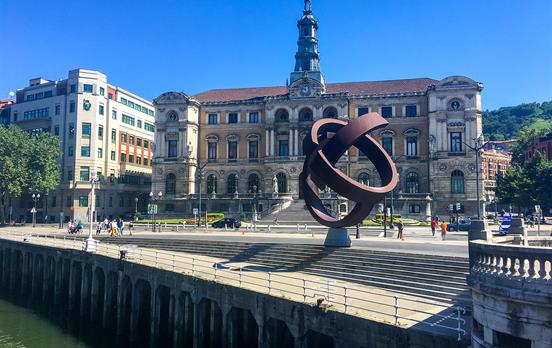
The Camino del Norte rose to prominence in the Middle Ages, offering a coastal alternative to pilgrims who found the Camino Francés increasingly crowded - or threatened by conflict in the south. The Northern Way follows the Bay of Biscay through the Basque Country, Cantabria, and Asturias, linking some of Spain's most characterful cities along the way.
Today it remains quieter than the Francés, but it's no secret - and for good reason. The combination of coast, culture, and cuisine is hard to beat on any hiking vacation in Europe.
Camino Primitivo: The Original Way
The Camino Primitivo is the original. In the 9th century, King Alfonso II of Asturias walked from his capital in Oviedo to confirm the discovery of the tomb of St. James, establishing the very first pilgrim route to Santiago. That path through the Asturian mountains has been walked ever since.
It's challenging, remote, and steeped in history - and that's precisely why it's growing so fast. Walkers who've done the Camino Francés tend to come here looking for something rawer. The Primitivo delivers.

How Do the Routes Compare?
The biggest difference is one you'll feel within the first hour: the Norte puts the sea beside you, the Primitivo sends you into the mountains.
Scenery and Landscape
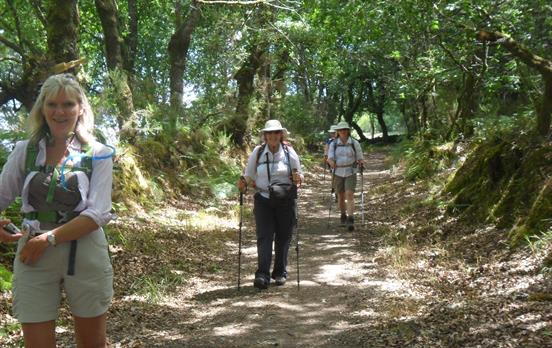
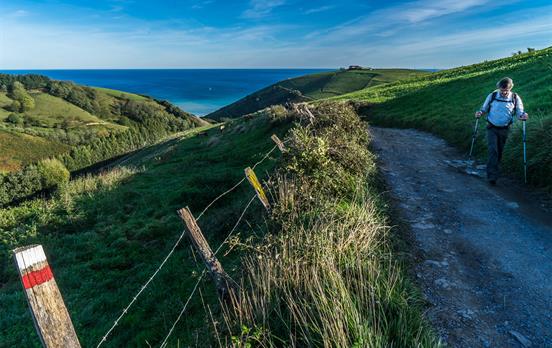
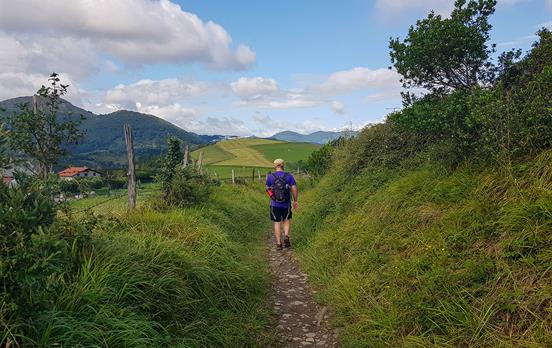
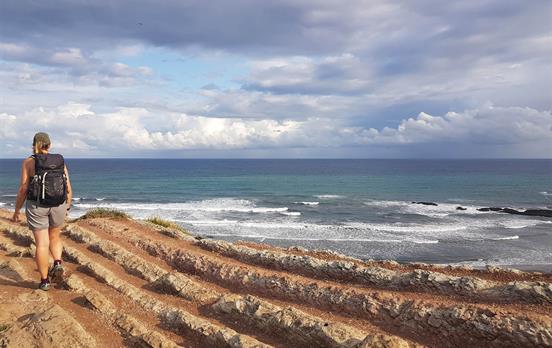
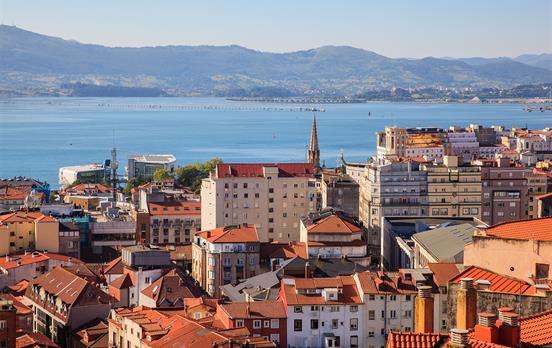
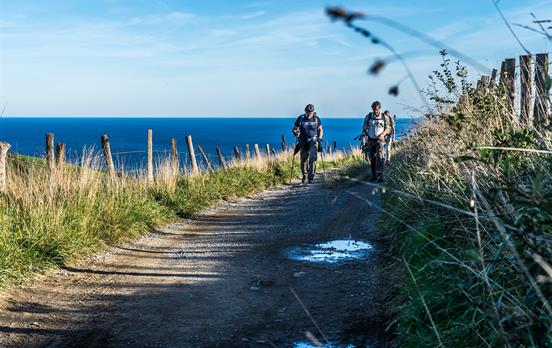
Camino del Norte: Most of your days are spent with the Bay of Biscay on your left. The trail crosses sandy beaches, follows clifftop paths, and drops into harbour towns where the catch of the day is still coming off the boats. The landscape between towns is green and hilly - lots of short climbs rather than long mountain hauls. It's a walking vacation that rewards you with a different kind of sea view around every bend.
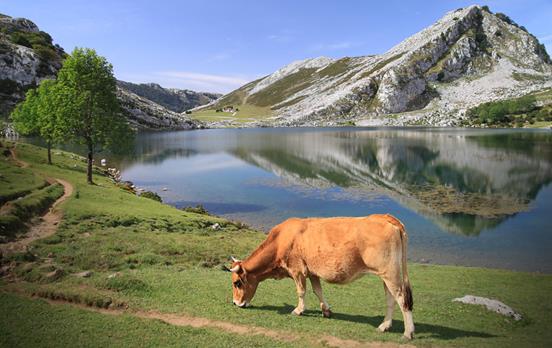
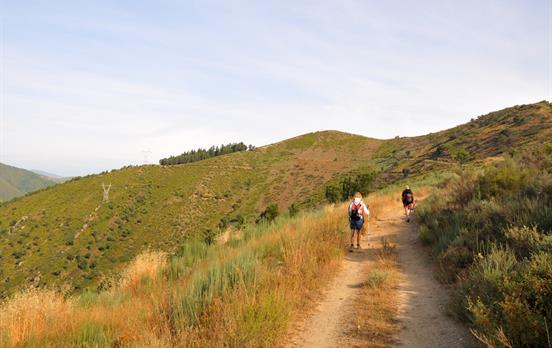
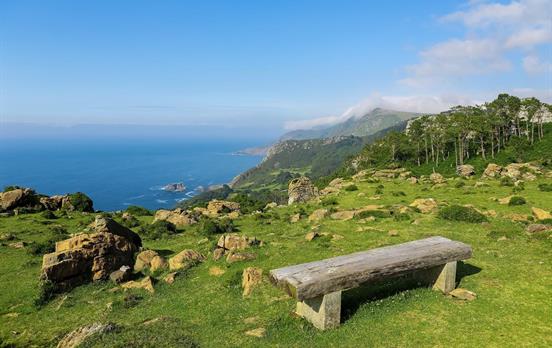
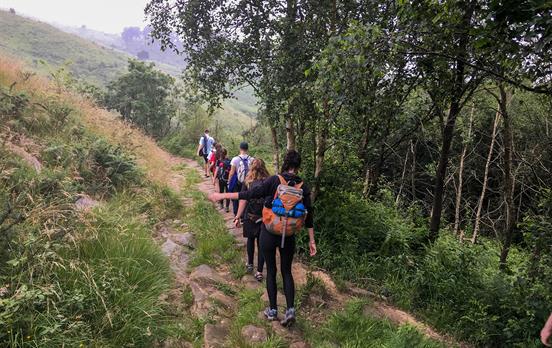
Camino Primitivo: This is a mountain route from the off. Leaving Oviedo, you climb into the Cantabrian Mountains and stay high for much of the journey. The terrain is rocky, the valleys are deep, and the forests feel genuinely ancient. On a clear morning above the clouds, with nothing but ridgeline ahead and birdsong behind, it's easy to understand why people call this the most authentic Camino experience.
Highlights Along the Way
Camino del Norte:
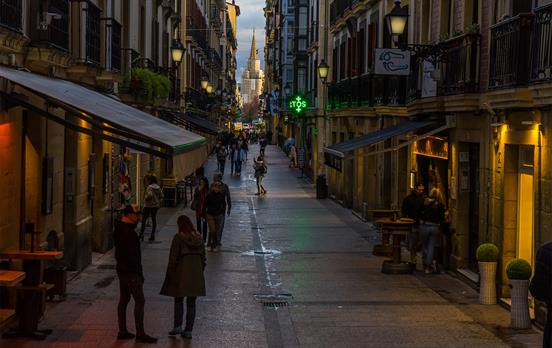
- San Sebastián - one of Europe's great food cities - even a day here is worth it for the pintxos alone
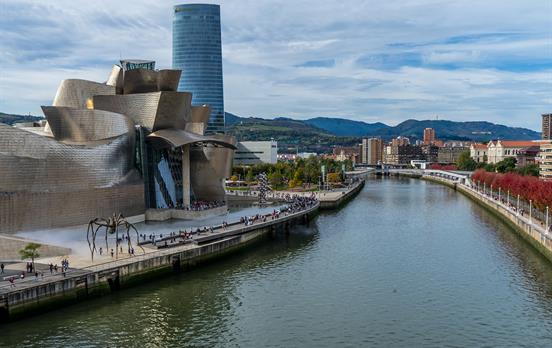
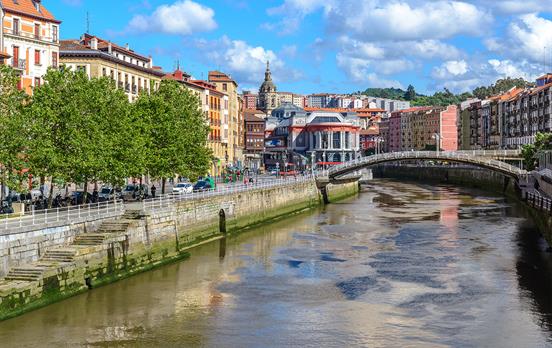
- Guggenheim Museum, Bilbao - a genuine architectural landmark, worth an evening or an extra morning
- Santander - a refined coastal city with wide beaches and Magdalena Palace
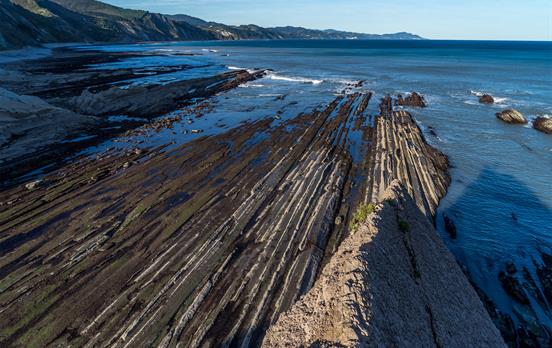
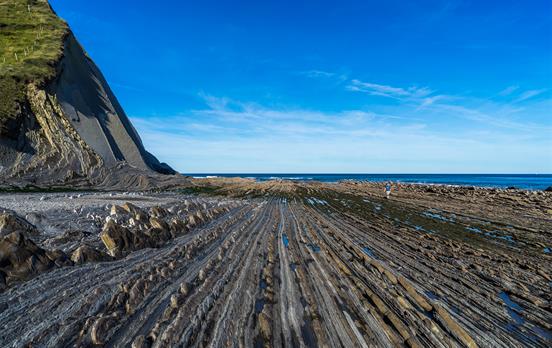
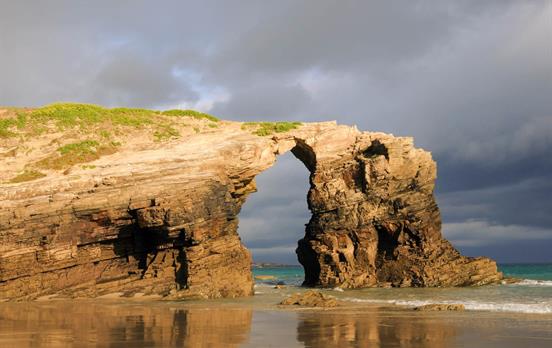
- Las Catedrales Beach - extraordinary sea-carved rock arches near Ribadeo, best visited at low tide
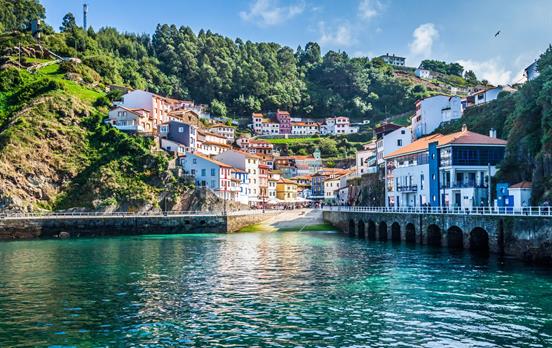
- Cudillero - a tiny fishing village stacked up a narrow ravine - one of the prettiest spots on the whole route
Camino Primitivo:
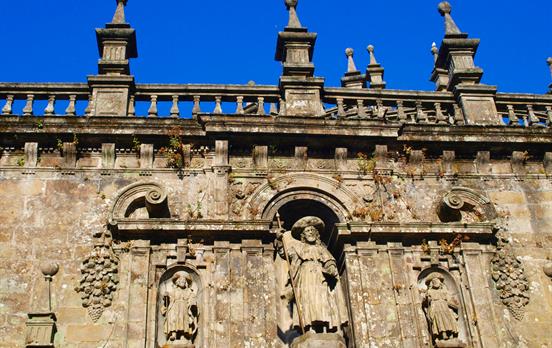
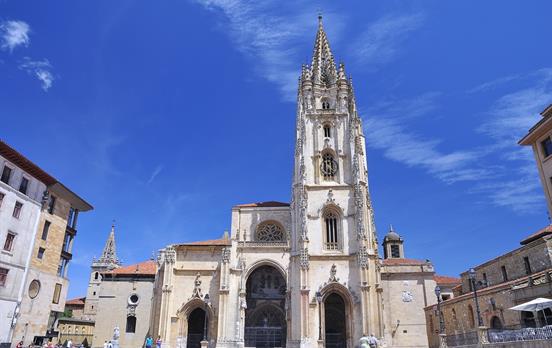
- Oviedo Cathedral - the Gothic starting point, and home to relics that have drawn pilgrims for over a thousand years
- Lugo's Roman Walls - a UNESCO World Heritage Site and the best-preserved Roman fortification in the world - you can walk the full perimeter
- O Cádavo to A Fonsagrada - a long, wild stage crossing high moorland with far-reaching mountain views - the kind of day that stays with you
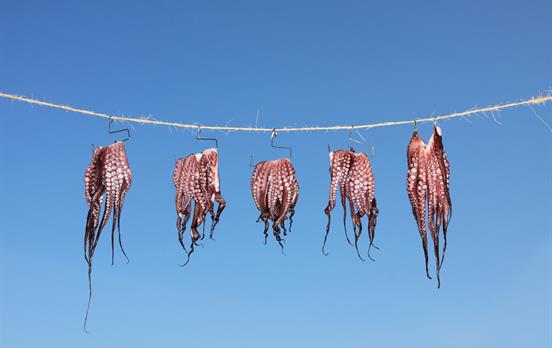
- Melide - where the Primitivo joins the Camino Francés. The pulperías here serve Galicia's best octopus, and the trail suddenly gets busy again

The Practical Details
Distance and Duration
|
|
Camino del Norte |
Camino Primitivo |
|
Full distance |
~825 km (513 miles) |
~321 km (200 miles) |
|
Full duration |
42 days |
16 days |
|
Macs stages |
Available in 4 stages |
Full route (Stages 1 & 2) |
The Norte is one of the longer Camino routes - the full walk with Macs is 42 days. Most walkers tackle it in stages. You can walk stage by stage, starting at San Sebastián and progressing towards Santiago over multiple trips if you prefer.
The Primitivo covers the full route from Oviedo to Santiago in 16 days - a manageable commitment that most walkers can plan as a single trip.
Distance and Duration
Camino del Norte: The full route is approximately 513 miles (825 km) and takes about 35 days to complete. Macs Adventure offers sections of the route, allowing you to walk it in stages.
Camino Primitivo: The route from Oviedo to Santiago is around 200 miles (321 km), typically taking about two weeks to walk.
Difficulty and Terrain
Camino del Norte: Moderately challenging. The coastal path involves plenty of short, sharp climbs as it moves between beaches, cliffs, and headlands, but there are no major mountain ascents. Daily distances can be long - expect 12-16 miles (20-25 km) on most days - but experienced walkers will find the going manageable. A good level of fitness is recommended.
Camino Primitivo: One of the toughest Camino routes. Several stages involve sustained mountain climbs with significant elevation gain, often on rocky and uneven paths. The weather in the Cantabrian Mountains can change quickly, adding an extra layer of challenge. This one's best suited to walkers with solid long-distance experience and a good base of fitness before they set off.

Accommodations and Food
Camino del Norte: Staying on the Norte means a good mix of options - pilgrim albergues in smaller towns, and comfortable hotels or guesthouses in the cities. Food is a genuine highlight: fresh Atlantic seafood, Asturian cider, and the famous pintxos of the Basque Country. If you care about eating well, this is your route.
Camino Primitivo: Accommodations are more basic and more spread out, particularly on the mountain stages. You'll want to plan ahead. The food is hearty rather than refined - Asturian bean stew (fabada), local cheese, and air-cured meats are the staples. Fuel, not finery - which suits the spirit of the route perfectly.
Getting to the Start
Camino del Norte: With Macs, the route begins in San Sebastián. Fly into San Sebastián Airport (EAS) or Bilbao (BIO) - both are an easy transfer to the city.
Camino Primitivo: The starting point is Oviedo. Asturias Airport (OVD) is the nearest airport, around 40 minutes from the city.

Solo and Senior Hikers
Both routes work well for independent hikers. With a self-guided trip from Macs - accommodations pre-booked, luggage transfers sorted, everything in the app - either route becomes a lot more straightforward than going it alone.
On the del Norte: The more frequent towns and moderate terrain make this a solid choice for fit senior walkers or anyone doing a long solo pilgrimage for the first time. There's always somewhere nearby if you need to rest or stop early.
On the Primitivo: The remote stages and demanding terrain mean this one works better for experienced walkers or those with a very good fitness base. Solo walkers do it regularly, but be ready for stretches where you won't see another pilgrim for hours - which, for many people, is exactly the point.

Which One Is Right for You?
Choose the Camino del Norte if:
- You want the sea beside you for most of the journey
- Food, culture, and great cities matter as much as walking
- You're looking for a moderately challenging multi-day walking tour
- You'd like the option of doing it in stages over multiple trips
Choose the Camino Primitivo if:
- You want a physical challenge and mountain terrain
- You're drawn to solitude, history, and the oldest pilgrimage path in existence
- You have two weeks free and solid walking experience
- You want the Camino experience without the Camino Frances crowds

Walk It with Macs Adventure
At Macs Adventure, we specialize in self-guided Camino de Santiago tours that let you focus on the journey - not the logistics.
- Carefully curated routes and stages
- Hand-picked accommodations
- Luggage transfers available
- Detailed route info and easy navigation via our app
- 24/7 local support
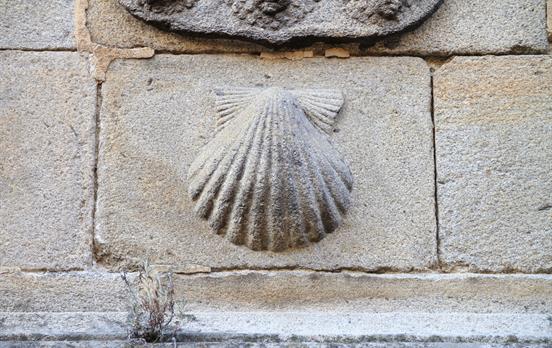
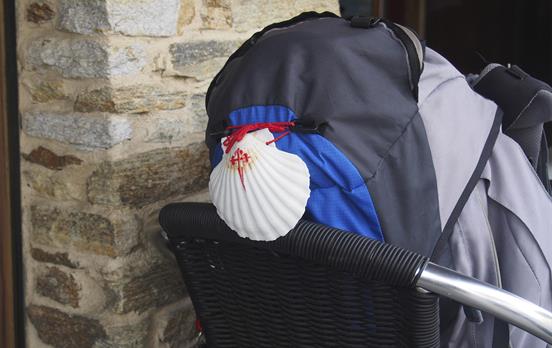
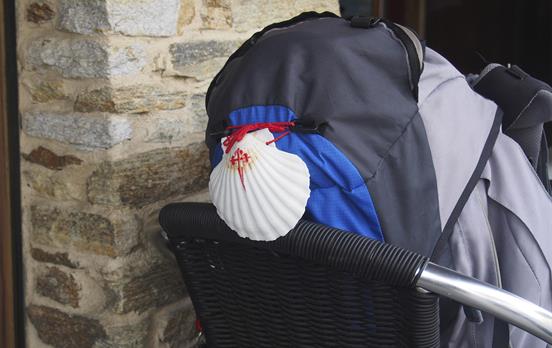
- Pilgrim passport and shell included
Whichever route you choose, Macs Adventure has been running self-guided walking tours on the Camino since 2003. We handle the accommodations, luggage transfers, and route guidance - via the Macs app - so you can focus on the walk.
- Full Camino del Norte - San Sebastián to Santiago
- Camino del Norte Stage 1 - San Sebastián to Bilbao
- Camino del Norte Stages 1 & 2 - San Sebastián to Santander
- Camino del Norte Stage 3 - Santander to Gijón
- Camino del Norte Stage 4 - Gijón to Ribadeo
- Camino del Norte Stage 4 & 5 - Gijón to Santiago
- Camino del Norte Stage 5 - Ribade to Santiago
- Camino Primitivo - Oviedo to Santiago
Not sure which Camino route suits you? Our full Camino comparison guide covers every major route, or give us a call, and we'll help you work it out.

People Also Ask
- Ultimate Guide to the Camino de Santiago
Everything you need to know about routes, planning, and what to expect.
Read the ultimate Camino guide >
- Which Camino Is Right for Me?
Compare routes and find the Camino that best suits your pace, interests, and experience.
Find your Camino >
- What is a Camino?
A Camino is a long-distance pilgrimage journey, traditionally walked (or cycled), that follows historic routes leading to Santiago de Compostela in northwest Spain.
Learn more about the History of the Camino >
- Tips for Traveling to and From the Camino
Practical advice on flights, transfers, and route logistics.
Plan your journey >
- Essential Camino Phrases
Helpful Spanish phrases for pilgrims along the way.
Learn Camino phrases >
- How Fit Do I Need to Be to Walk a Camino Route?
Understand the physical demands and how to prepare.
Check Camino fitness levels >
- Camino FAQs
Clear answers to the most common Camino questions.
Read Camino FAQs >


















 Canada